New Year, New Board Members!

Dysautonomia International is looking forward to a fantastic 2018, and to kick things off we’re welcoming three new board members and our second employee!
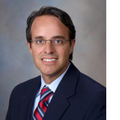
1Dr. Brent Goodman, Director of the Autonomic Lab at Mayo Clinic’s Scottsdale, Arizona campus, has joined our esteemed Medical Advisory Board. Dr. Goodman and our other Medical Advisory Board members perform an important role in the organization, serving as our outreach ambassadors to professional societies, medical schools and medical journals, working with Dysautonomia International to educate fellow medical professionals about autonomic disorders. Our Medical Advisory Board also reviews all medical content and helps us select the best research to fund through our competitive peer-reviewed POTS Research Fund grants process.
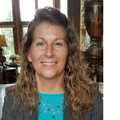
Untitled design (1)Christy Jagdfeld of Wisconsin has joined our Board of Directors, and will serve as Board Treasurer.  Christy has been involved with Dysautonomia International for several years, as an active volunteer hosting awareness and education events in Wisconsin, and more recently as co-leader of our Wisconsin Support Group. She brings accounting and business management skills to the Board that will help us continue to grow as an organization. Christy and her daughter, who has POTS, are very passionate about raising awareness and supporting people coping with dysautonomia.
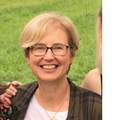
2Jacqueline Rutter Gully of Massachusetts has also joined our Board of Directors, and will serve as Board Secretary. Jackie brings her expertise in communications to the board, and the whole Rutter-Gully family is involved with Dysautonomia International. Jackie’s daughter Hanna serves on our Patient Advisory Board and leads Team Hanna G and Me, one of our most active teams that participates in the Boston POTS Walk. Jackie’s husband Andrew and other children, Jocelyn and Dylan, lend their skills, along with our talented videographer, Evan Carter, who is dating Jackie’s daughter.

As we welcome new board members, we also want to express our sincere gratitude to departing board members Ellen Kessler and Clover Yordanova, who were both members of the original founding Board of Directors of Dysautonomia International. Ellen served as our volunteer Treasurer and Chief Financial Officer, and Clover served as our Secretary, since our launch in 2012.  Both ladies plan to remain involved in the organization as volunteers.

We held a cocktail party recognizing Ellen’s five years of service to the board in Washington, DC this fall, presenting her with a Leadership Award for the amazing time commitment she put into managing our organization’s finances, offering pro bono accounting services for the past five years.
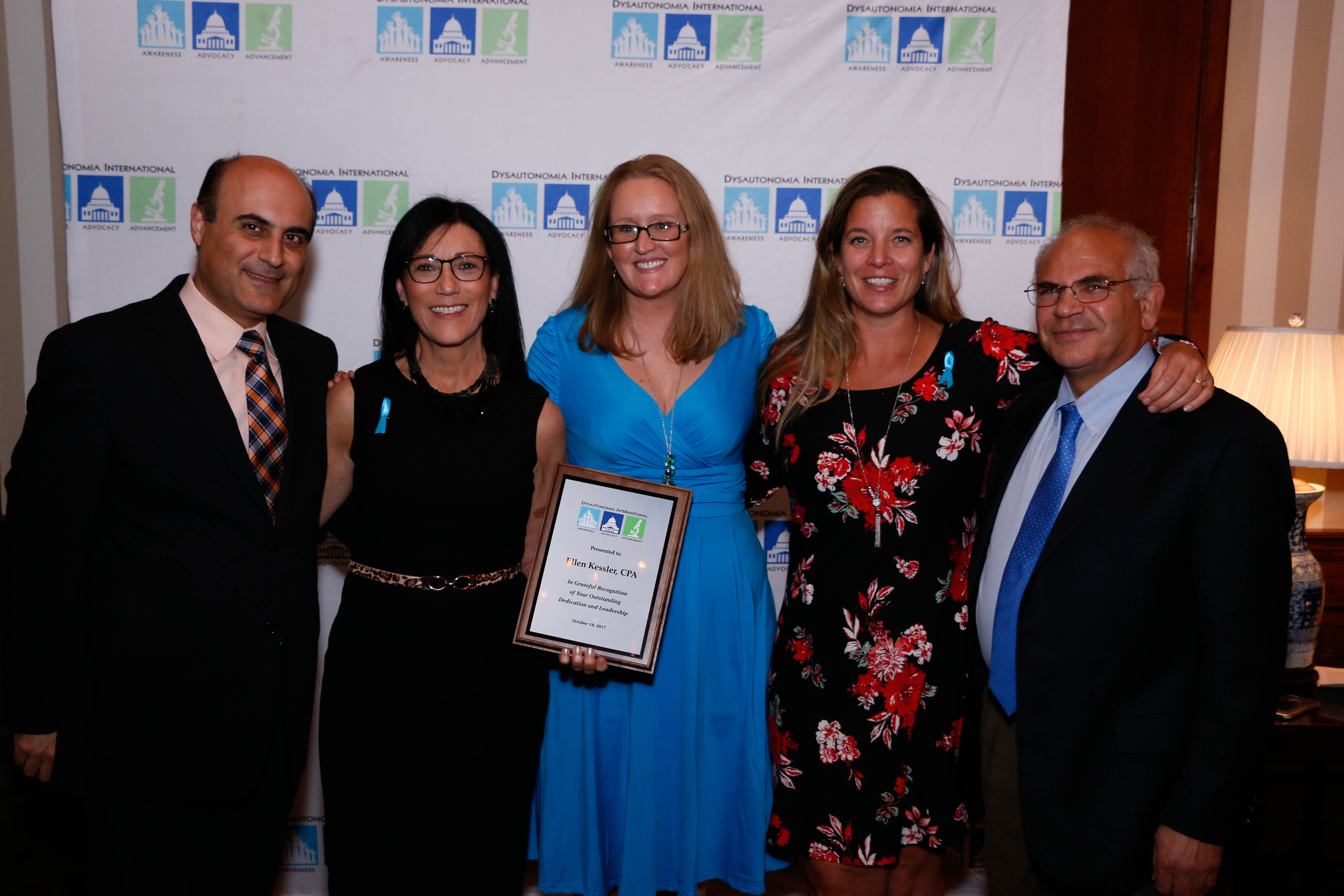
Dr. Kamal Chemali, Ellen Kessler, Lauren Stiles, Kirsten Slowey and Dr. Hasan Abdallah during the awards reception recognizing Ellen’s service to Dysautonomia International.

To help us meet our growing accounting and business management needs, we recently hired an experienced professional to serve as our Office Manager, Elena Fries. We’re delighted to have Elena join our team.

While we’re mentioning staff, we should give a special mention to Kirsten Slowey, our Director of Events & Medical Affairs. Kirsten has been the mastermind behind our amazing annual conferences for the past few years, and she joined Dysautonomia International full-time in 2017. Kirsten also coordinates with our state and province based support groups, works with volunteers looking to host fundraisers or educational events, and helps plan Dysautonomia Awareness Month events around the world.

Kirsten and Elena are our only two employees. Amazingly, most of what we have been able to accomplish as an organization has been carried out by volunteers, young and old alike. Our Board of Directors, Patient Advisory Board, Medical Advisory Board, and State Support Group Leaders all serve as volunteers, and many individuals volunteer in other capacities.

Thank you to everyone who made 2017 our most successful year yet.  We have an ambitious agenda for 2018, which includes funding more POTS research than ever before, hosting physician and patient education courses in new cities, taking our annual conference on the road to Nashville (June 22-24 weekend – save the date!), expanding our free monthly webinars, revamping our website, updating our newly diagnosed patient brochure, continuing to grow our regional support groups, and so much more! Consider making a donation today to help us reach our goals in 2018.

If you’re not already signed up, join our email list to find out about the latest dysautonomia research, news and events.

Facebooktwitterlinkedinyoutubevimeoinstagrammailby feather
Facebooktwitterredditlinkedintumblrmailby feather

What Solange’s Announcement Means to Me

Photo: Tore Sætre / Wikimedia

Yesterday, Solange Knowles penned a heartfelt note on Instagram, discussing how she was forced to cancel an upcoming New Year’s Eve performance due to an ongoing health struggle, revealing to her 3.4 million followers that she has been battling an autonomic disorder. The Grammy award winning singer and songwriter wrote, “The past five months I have been quietly treating, and working through an Autonomic Disorder. It been a journey that hasn’t been easy on me (…) Sometimes I feel cool, and other times not so cool at all.” She continues, “It’s a complicated [diagnosis], and I’m still learning so much myself.”

Some of the comments expressed disappointment about the show cancellation and well wishes for Solange’s health, but many expressed curiosity about autonomic disorders. I felt like a kid in a candy store, as this was my opportunity to shed some light on autonomic disorders and lead people to the Dysautonomia International website for education and awareness, which has helped me so much on my journey.

I have been battling postural orthostatic tachycardia syndrome (POTS), a common autonomic disorder that impacts an estimated 1-3 million Americans, mostly young woman. Like Solange, my diagnosis has been “complicated,” as it took two years to receive a diagnosis. I was the one of the fortunate ones, as the average POTS patient takes over four years to get diagnosed and sees seven doctors prior to being diagnosed with POTS. Due to a lack of awareness amongst medical professionals, about 75% of POTS patients are told some version of “it’s all in your head” prior to finding out they have POTS. Doctors simply aren’t taught much about autonomic disorders in medical school. I was told for years that I was crazy, anxious, and that nothing was wrong with me.  In reality, I have a serious autonomic nervous system disorder that affects my ability to regulate my temperature, heart rate, blood pressure, breathing and digestive system.  Nine years later I am still attempting to find the best treatment to manage my symptoms, and as of right now, there is no cure.

I’ve always had a great deal of admiration for Solange, but after she disclosed her battle with an autonomic disorder, I am proud of her. Solange is a strong and independent African-American woman who emphasizes empowerment, and this announcement epitomizes her message.  I am a self-proclaimed feminist and proud HBCU alum, so it brings me joy to see a black woman become the most high-profile individual to announce that she’s battling an autonomic disorder (although I wish no one had to go through this). As Solange uses art to express herself and cope with life’s difficult moments, I have used writing to cope and show the world you can still reach for your goals despite chronic illness. I understand how difficult and empowering it is to be able to tell the world that you have been quietly dealing with illness.

However, since I started this journey, I have not found many people in support groups, research studies or media coverage about autonomic disorders that look like me, a woman of color.  There is something powerful about a connecting with another black woman who knows what I’m going through.  There is strength, power of ally-ship, pride, and community associated with being a woman of color.  Sometimes it is isolating not seeing the black community or other people of color well-represented in the chronic illness world. I would love to tell you this is because people of color don’t suffer from chronic illness that often, but unfortunately, that’s not the case.

Research data shows that POTS, one of the most common autonomic disorders, is much more common in the Caucasian population (about 94%-96%), but it isn’t clear how much these percentages are influenced by major gaps in access to quality health care  for people of color. POTS is a condition that is nearly impossible to receive a diagnosis for, regardless of race, due to lack of physician and public awareness. It is likely that people of color are having an even more difficult time getting diagnosed. Once a person of color is able to access health care, many research studies on a wide variety of medical problems show that racial discrimination in health care is a serious and far-reaching problem, with doctors often dismissing symptoms, refusing to offer treatments, forgoing tests and missing diagnoses more often in people of color than in Caucasians. This discrimination contributes to the inequalities that have left people of color with unbelievable health disparities, and worse overall health outcomes in the United States. Simply by speaking up about her diagnosis, Solange has raised a lot of awareness about autonomic disorders, which benefits all patients, especially women of color like me.

As I scrolled through the Instagram comments on her page, one really stood out to me – “this sounds like a rich people disease.” That could not be further from the truth. This last year has been a testimony to my strength, determination, perseverance and faith. My health significantly declined, treatments failed, I had to give up a job I loved, and I lost insurance multiple times. I ended up broke, begging for money from friends and family, and homeless.  Now, at 27 years old, I spend my days fighting with insurance companies, city representatives, and doctors trying to get the resources I need to access basic medical care and keep a roof over my head. Many people with autonomic disorders face tremendous medical expenses they can’t afford, and about 25% of people with POTS are so disabled they can’t work. Autonomic disorders are not glamorous.

One thing about chronic illness is that it is humbling. No matter how famous you are or how much money you have, once you’re diagnosed with a chronic illness, we are all one in the same. Although Solange may have access to more resources than the average person battling an autonomic disorder, sympathy and empathy were the first feelings that I had when I read her announcement. She still must cope with complicated symptoms, feeling as though her body has betrayed her, making decisions about her career and its influence on her health, finding the right health care team that will listen to her, and dealing with the trial and error it takes to find the right treatments for an autonomic disorder. She is human, dealing with a new diagnosis, hoping to receive love and support just like the rest of us. Coping with an autonomic disorder is hard to do from the privacy of your own home, and likely much harder in the glare of the media spotlight.

It is my hope that the outpouring of support Solange has received gives her the motivation to continue on her path to improved health, and maybe gives other high-profile individuals the encouragement they need to speak up about their autonomic disorder diagnosis – we know they are out there because autonomic disorders are so common.  I wish Solange nothing but healing vibes, and can’t wait to see her return to the stage stronger than ever.

Natasha GravesToday’s guest post is from Natasha N. Graves.  Natasha is a photographer, writer, blogger (www.myhiddentruths.com) and health educator. Holding a masters in public health, she uses her skills to teach others about the health conditions that she battles and documents her journey with chronic illness.  Natasha has been diagnosed with POTS secondary to Sjogren’s Syndrome.

Facebooktwitterlinkedinyoutubevimeoinstagrammailby feather
Facebooktwitterredditlinkedintumblrmailby feather

Top 10 Holiday Gifts for People with Dysautonomia

Looking for holiday gift ideas? Here are a few things that will bring a smile to your favorite dysautonomia warrior’s face this holiday season.

Remember, when you shop for any item on Amazon through our Amazon link, 6% of your purchase will be donated to Dysautonomia International!

FighterZoomBack1. FighterWear
Nuture your loved one’s fighting spirit as they fight dysautonomia everyday! FighterWear was designed by fellow dysautonomia warrior Morgan McCastor, who donates the profits to Dysautonomia International. The hoodies are super soft and comfy. Turquoise is the color of dysautonomia awareness.

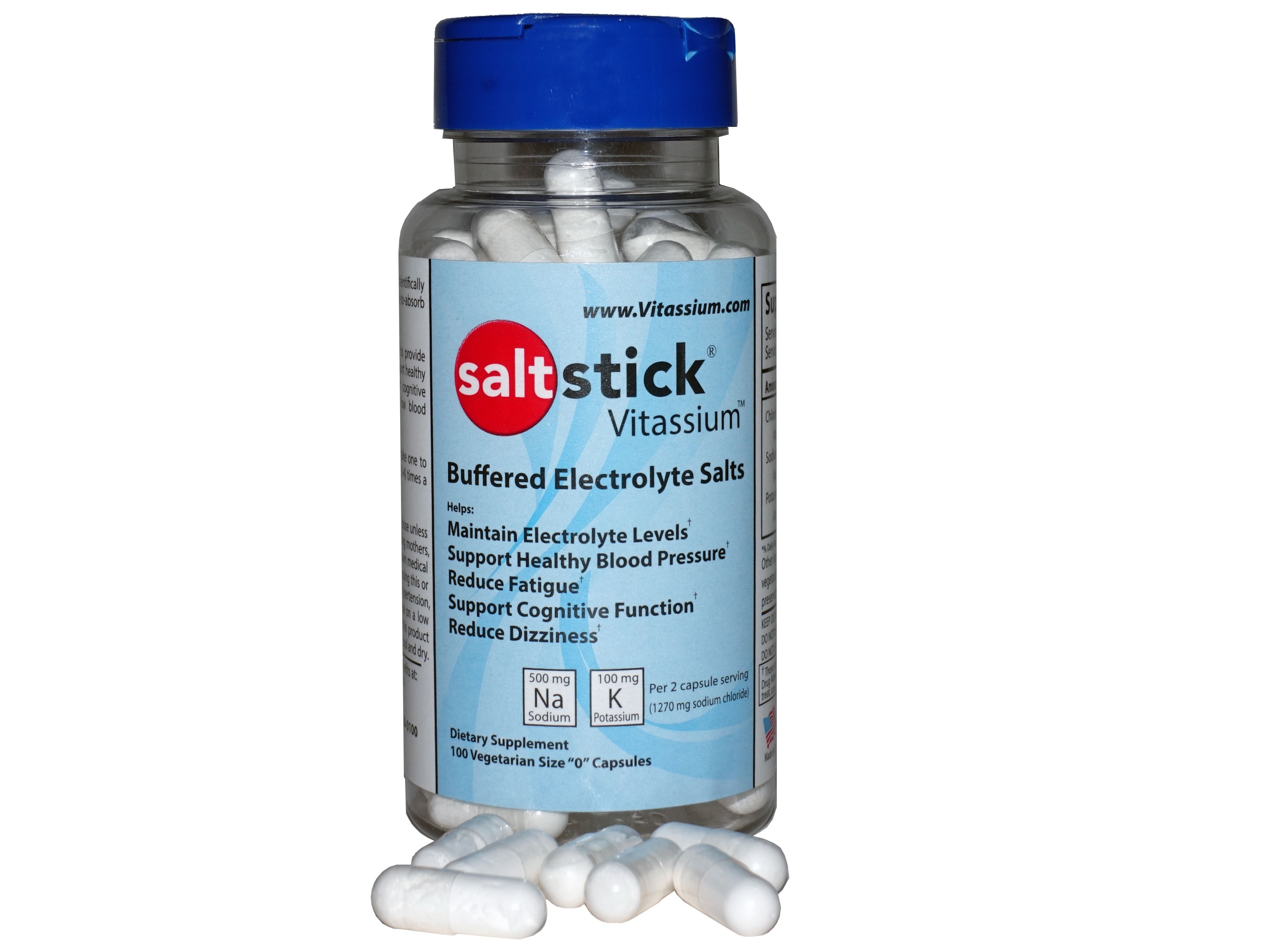
Vitassium-100ct_HR2. Vitassium
SaltStick Vitassium is an oral salt pill with added potassium that is designed not to upset your tummy like many salt pills do. It’s a great way for dysautonomia patients to get extra salt in their diet, which is usually recommended by their doctors. SaltStick donates 10% of all sales of Vitassium to Dysautonomia International. Buy it through our Amazon link and an extra 6% will go to Dysautonomia International.

f-33. PURE
NormaLyte PURE is a flavorless electrolyte powder you dissolve in water.  People with dysautonomia are often advised by their doctors to drink 2-3 liters of hydrating fluids per day, but plain water isn’t as helpful as water that has sodium and other electrolytes in it. PURE is formulated to provide maximum hydration and was developed with the input of over 1000 dysautonomia patients. NormaLyte donates 10% of all sales of PURE to Dysautonomia International.  Buy it through our Amazon link and an extra 6% will go to Dysautonomia International.

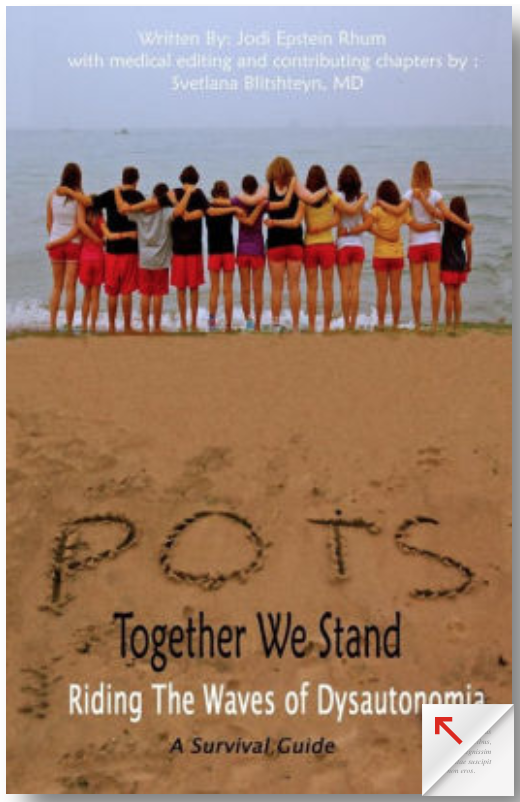
Screen Shot 2017-12-07 at 12.35.16 PM4. POTS: Riding the Wave of Dysautonomia
This book was written by one of our founding board members, Jodi Epstein Rhum.  After raising kids with POTS and EDS, Jodi took everything she had learned, and reach out to other experts like Dr. Svetlana Blitshteyn, and put it into an easy to understand book for patients and family members. Jodi founded the POTS group on Facebook and is one of the founding board member of Dysautonomia International. She donates 10% of book sales to support our research and education programs.  Buy it through our Amazon link and an extra 6% will go to Dysautonomia International.

Screen Shot 2017-12-01 at 11.53.21 AM5. Food That Cares: A Restorative Approach to Health, Living with POTS, Dysautonomia and Chronic Illness
This beautiful cookbook filled with tasty, easy to prepare, nutritious meals will get your taste buds excited. Author Wendy Baruchowitz went back to school to become a Integrative Nutritionist after she was diagnosed with celiac disease and POTS. Wendy volunteers on Dysautonomia International’s Patient Advisory Board and donates a portion of book sales to the organization.

Screen Shot 2017-12-01 at 11.32.13 AM6. “I’m so tachy” gear
Humor is a great way to cope with the difficulties of chronic illness, and our “I’m so tachy” shirts are sure to make the POTS patient in your life laugh. People with POTS have excessive tachycardia (a very fast heart rate) when they stand up. “I’m so tachy” gear is a great conversation starter and can help raise awareness as everyone will want to know, why are you tachy? A portion of the sales benefits Dysautonomia International, and the shirts are available through our Cafepress store.

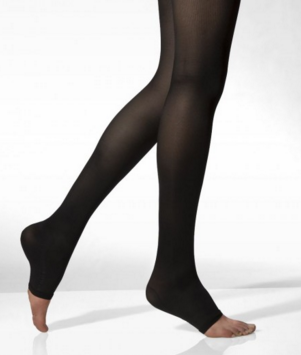
Screen Shot 2016-01-05 at 6.35.22 PM7. Compression gear
Doctors often recommend 30-40mmHg full-length medical compression stockings to help dysautonomia patients avoid blood pooling and get more blood flowing back up to the heart and brain. While full-length stockings work best, some patients prefer thigh high or sock length compression gear.  They come in nude, black, many colors, and prints too! Compression socks aren’t as effective at preventing blood pooling, but may be fun to wear on days you’re dysautonomia warrior is chillin’ out on the couch. Abdominal compression can help too.  Abdominal binders are available, but women often prefer Spanx and similar compression undergarments. Compressing the lower abdominal area is key, so don’t get something that only cinches the smallest part of the waist.

Screen Shot 2017-12-07 at 12.42.18 PM8. Home/Yard Cleaning Services
Some people who have dysautonomia can have a really hard time doing regular cleaning around their home or yard maintenance. This is extra challenging for adult patients who have homes/families to care for, especially single adults.  Offer to hire a cleaning or yard maintenance service if you can afford it (“fall clean up” or “spring cleaning” are good times to do this), or give your loved one with dysautonomia a handmade “IOU” gift card that it redeemable for one day of yard cleaning or house cleaning done by you when they need it. Raking leaves, mowing the lawn, laundry, prepping dinner – believe us, they will appreciate it!

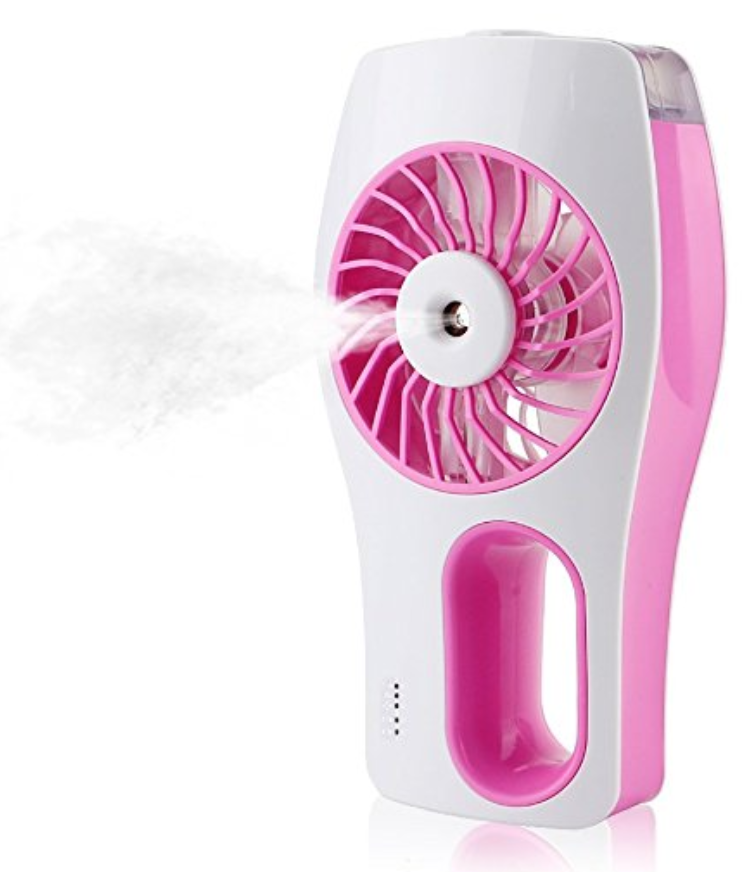
Screen Shot 2017-12-07 at 12.47.18 PM9. Cooling devices
People with dysautonomia can feel much worse in the summer heat, because some of us don’t regulate our temperature properly, or we can’t sweat.  Heat can also dilate our blood vessels more than normal, which can drop blood pressure. Cooling vests, neck wraps, wrist wraps, and personal spritzer fans may make us more comfortable in the heat of summer.

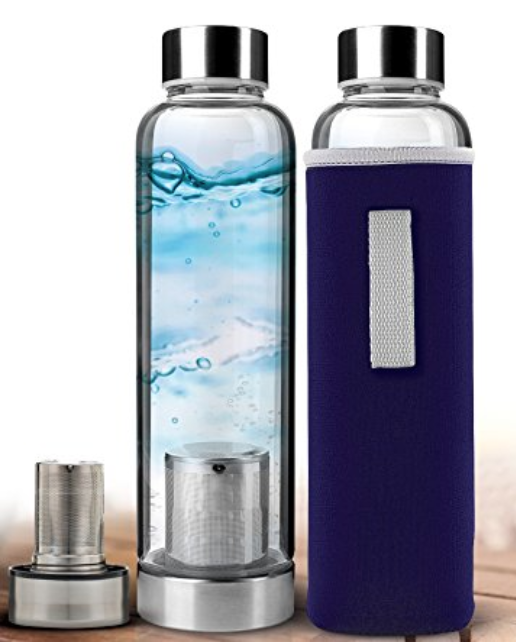
Screen Shot 2017-12-01 at 11.06.36 AM10. Glass Water Bottle Infuser
Dysautonomia experts jokingly refer to “the water bottle sign” as a sign that someone has dysautonomia. People with dysautonomia usually are advised by doctors to drink 2-3L of hydrating fluids per day, so it’s common for us to always have a water bottle with us.  It can get boring drinking plain water, so some patients like to infuse their water with melon, berries, mint, cucumber, pomegranate, citrus, herbal teas, and other flavor infusions. Look for glass bottles if you want a bottle that can hold hot and cold beverages, and something with a slip proof grip case, like this one. There are many sizes and options available.

Happy Holidays to all!!!

Facebooktwitterlinkedinyoutubevimeoinstagrammailby feather
Facebooktwitterredditlinkedintumblrmailby feather

Letter of Medical Necessity for NormaLyte

Some dysautonomia patients use NormaLyte as a way to supplement their salt and fluid intake. NormaLyte comes in several flavors and a plain flavor developed with the input of Dysautonomia International and over 1000 dysautonomia patients, called PURE. It’s an electrolyte powder you can add to water. Some people like to add a splash of their favorite flavor juice, like OJ or cranberry juice to give it a little flavor. NormaLyte generously donates 10% of sales from PURE to Dysautonomia International to support our research, physician education, public awareness and patient empowerment programs.

Some insurance companies may reimburse you for the cost of NormaLyte with a prescription from your doctor because it is considered a Medical Food Product approved by the FDA. This Letter of Medical Necessity Template may be helpful in persuading your insurance company to pay for it. Call your insurance company to see if Medical Food Products are covered by your plan when you have a prescription and a letter of medical necessity from your doctor. Then ask your doctor to fill it out. The doctor can change the letter as needed for your specific situation.

f-3

Facebooktwitterlinkedinyoutubevimeoinstagrammailby feather
Facebooktwitterredditlinkedintumblrmailby feather

Watch the Congressional Briefing on POTS

Dysautonomia International hosted a Congressional Briefing on POTS on October 19, 2017. Speakers included three of our board members: Lauren Stiles, Dysautonomia International President, Dr. Glen Cook from Naval Medical Center Portsmouth, and Dr. Jeffrey Boris from Children Hospital of Philadelphia.

Thanks to a grassroots effort that involved many Dysautonomia International volunteers, 85 Congressional staffers participated in the briefing, as well as senior staffers from the National Institutes of Health and Department of Defense. We were told this is a wonderful turnout for a first-time briefing, especially for a medical condition that most people haven’t heard of. A list of Congressional offices that participated is included below.

If any of your House or Senate members are listed, please send them an email, call or tweet thanking their staff for participating in the October 19th POTS briefing, and let them know why this is important to your family. You can find their phone numbers here and their Twitter handles here. If you are emailing or tweeting, consider sending them a link to learn more, either our POTS page (www.dysautonomiainternational.org/POTS) or our “What is POTS?” video (https://vimeo.com/187404694).

Lauren gave the patient perspective and reviewed the unfortunate lack of NIH funding that is spent on POTS research, Dr. Cook reviewed the basics of POTS, and Dr. Boris provided a brief overview of quality of life, epidemiology and co-morbidity data on POTS. Our goal was not to teach them everything about POTS, but rather to tell them it exists, it’s serious, there is a huge patient community dealing with this, and it requires more federal resources.

The feedback from the audience after the briefing was great. Three Congressional staffers let us know that they had POTS (three cheers for POTSies getting awesome jobs on Capitol Hill!), and two other staffers let us know they had children with POTS. Another staffer told us he was headed to medical school and would be sure to be on the lookout for POTS patients.  Even those who had no personal connection to POTS were very supportive of our efforts and they offered to meet with us to follow up on specific action items.

Special thanks to our bi-partisan Congressional Briefing Co-Sponsors!
Senator Roy Blunt (R-MO)
Senator Patty Murray (D-WA)
Representative Brian Fitzpatrick (R-PA)
Representative Seth Moulton (D-MA)

If you would like to find out about future advocacy Action Alerts and receive our free monthly e-newsletter, sign up for our email list today.

Congressional Offices In Attendance By State
Alabama
Office of Representative Bradley Byrne

Arizona
Office of Representative Martha McSally
Office of Representative David Schneikert

California
Office of Senator Dianne Feinstein
Office of Representative Juan Vargas
Office of Representative David Valadao
Office of Representative Raul Ruiz
Office of Representative Susan Davis
Office of Representative Pete Aguilar
Office of Representative Ted Lieu

Colorado
Office of Senator Cory Gardner
Office of Senator Michael Bennet

Connecticut
Office of Senator  Blumenthal

Delaware
Office of Senator Christopher Coons
Office of Representative Lisa Blunt-Rochester

Florida
Office of Senator Bill Nelson
Office of Representative Kathy Castor
Office of Representative Matt Gaetz
Office of Representative Ron Dejantis

Georgia
Office of Senator David Purdue

Illinois
Office of Senator Dick Durbin

Indiana
Office of Senator Joe Donnelly

Kansas
Office of Senator Jerry Moran
Office of Representative Ron Estes
Office of Representative Lynn Jenkins

Maryland
Office of Senator Elizabeth Warren
Office of Senator Chris VanHolland
Office of Representative John Delaney
Office of Representative Andy Harris

Massachusetts
Office of Senator Ed Markey
Office of Representative Seth Moulton

Missouri
Office of Senator Roy Blunt

Nebraska
Office of Senator Deb Fischer
Office of Representative Don Bacon

New Hampshire
Office of Senator Jeanne Shaheen

New Jersey
Office of Senator Bob Menendez

New York
Office of Senator Chuck Schumer
Office of Representative Paul Tonko
Office of Representative Grace Meng
Office of Representative Lee Zeldin

Pennsylvania
Office of Senator Bob Casey, Jr.
Office of Representative Brian Fitzpatrick

Puerto Rico
Office of Representative Jennifer Gonzales-Colon

South Dakota
Office of Senator John Thune

Texas

Office of Representative Kevin Brady
Office of Representative Ted Poe

Virginia
Office of Senator Tim Kaine

Washington
Office of Senator Patty Murray
Office of Senator Maria Cantwell

Wyoming
Office of Senator John Barruseo

Facebooktwitterlinkedinyoutubevimeoinstagrammailby feather
Facebooktwitterredditlinkedintumblrmailby feather

On Being A Mystery Patient – A Nurse’s Experience with POTS

I can recall vividly every odd sensation, “episode,” and doctor visit from my journey to being diagnosed with POTS (postural orthostatic tachycardia syndrome). Prior to being accurately diagnosed, I completed over a dozen diagnostic tests – including event monitors, Holter monitors, echocardiograms, blood draws, EKG’s, thermoregulatory sweat testing, tilt-table testing, and autonomic nerve reflex screening. I visited with four cardiologists, three electrophysiologists, three primary physicians, a neurologist, and several emergency room physicians. Throughout my testing, I was offered diagnoses ranging from heart blocks, to panic disorder, to lung disease, and then some. I was given prescriptions for more drugs than I can count (of which I took zero), and offered interventions such as ablation, pacemakers, consumption of two gallons of water per day, etc. During this ordeal, I became categorized as a “doctor shopper” because I continuously turned down medical advice with the true belief that I was being misdiagnosed.

My journey to being diagnosed with POTS has been one of the most frustrating, exhausting, saddening experiences of my life. Naturally, it is hard to have faith in a system which offers you so many differing opinions and passes out prescriptions for some serious medications as if they were candy. Many days I would simply cry, wondering if anyone would ever be able to help me and hoping that I would someday feel like myself again.

After undergoing extensive testing at a medical facility with people who specialize in POTS, my diagnosis was confirmed. Although there is no definitive cure for POTS, simply having a firm diagnosis with accompanying ways to improve my quality of life brought me so much joy. And so, it has become my mission to spread hope for those struggling with POTS – because together, and with the help of our medical teams – we can find ways to enjoy the small victories of each day.

First and foremost, I want to tell my POTS brothers and sisters that we need to give ourselves a break. We may not be able to do all of the things we used to do before – but we can still do something. Six years ago, I completed my second marathon, was taking 30-day yoga challenges in 104-degree heat, and making my way into the world of CrossFit. Today, I throw a “me-party” when I can walk up two flights of stairs without feeling like my heart is going to jump out of my chest. I cannot do the things I was physically capable of before without my heart rate hovering around 200, but I can go for walks. I can use the recumbent bicycle, I can do some weight-lifting exercises, and I can experiment with the rowing machine. More extreme forms of exercise may be a thing of the past, at least for now, but I feel empowered to explore new ways of working out, and feel a greater sense of pride and content with my body when it is able to perform these things for me.

I am also grateful for all of the natural therapies that having POTS has led me to discover. Naturally, it is normal to feel a sense of anxiety when you stand up to complete every day tasks (brushing your teeth, for example) and your heart rate is 140. This sense of anxiety has brought me to discover things like essential oils, guided imagery, meditation, and the simple pleasure of sitting in a bath-tub loaded with magnesium salts. Discovering ways to relax when I am having bad days with POTS has led me to implement the same stress-relieving techniques in other areas of my life, which has proven to be very beneficial.

Additionally, life with POTS has truly opened my heart and made me a profoundly more empathetic person. While I cannot say I understand what it is like to live with other chronic ailments, I can say that I understand what it is like to accommodate an unplanned condition in day-to-day life. My desire to comfort and provide support for others is bursting at the seams. As a nurse, I find myself truly and deeply invested in the balance of physical, mental, and emotional health of my patients on a level I likely could not have reached without my journey with POTS. To share in the uncertainty, fear, and anxiety of others is a profound honor and one that has inspired me to count all the blessings I still have every day.

Perhaps most significantly, my journey with POTS has made me appreciate all of my friends and family in a whole new light. Though I am sure that all of the people I love have faced their own frustrations throughout my journey, they have always been insanely supportive. My husband has been at every doctor visit that I asked him to attend, filled my water bottle for me on countless occasions, comforted me in my most anxious moments, and helped me complete tasks on days when I am really struggling. Sometimes it is easy to make it all about myself and forget about all of the support that my loved ones have given me – but when I really stop and reflect, I realize how lucky I am to have people to share in my weaknesses and triumphs with me. As the Swedish proverb says – “shared joy is a double joy; shared sorrow is half a sorrow”.

There are many flavors of POTS and just as many different treatment approaches. What we do have in common though, is the ability to wake up every morning and choose how we are going to face the day. There will be days that are hard – let us accept them and listen to our bodies. There are days that will be good – let us embrace them and give thanks for all our bodies accomplish for us. But, let us always realize that we are strong, we are capable, and we will never quit. For every one thing that we are struggling to do, let us think of three things that can do – and be grateful for these things. Let us feel gratitude for all of the unique experiences that POTS has brought into our lives that we may not have experienced otherwise.

We may not always be able to control our bodies physically, but we can always control our reactions to our setbacks and how we let them affect our lives. In exercising our unending emotional and mental strength, together, we will ALWAYS be greater than POTS. ­

maggieGuest author Maggie Sosinski has been battling POTS since 2014. She is passionate about spreading positivity and supporting those whose lives are affected by POTS and other forms of dysautonomia. She recently re-located to Minnesota where she lives with her husband and works as a nurse.

Facebooktwitterlinkedinyoutubevimeoinstagrammailby feather
Facebooktwitterredditlinkedintumblrmailby feather

#TuesdayTips: Lifestyle Adaptations

TuesdayTipsDysautonomia International asked patients to share what lifestyle adaptations they use to help manage their dysautonomia symptoms as part of our #TuesdayTips project. Look out for other #TuesdayTips posts on social media and your tips may be featured on our blog!

Breaking my meals up into smaller meals. If I’m going somewhere that requires a lot of walking or somewhere in a warm climate, I use a wheelchair or scooter The biggest adaptation is always planning when we go places. -Lydia M.

As a nurse, I take electrolyte tablets, wear complete compression hose, and drink NUUN tablets in my water! I salt absolutely everything and take frequent sitting breaks (even if I’m putting in an IV!). I always wear layers so when I have hot spells I can take them off. -Karena M.

Mornings are tough for me, so for mornings where I have to go to work I “automate my mornings” as much as possible, which means I make as many decisions the night before and get things ready so I don’t have to worry about them when I wake up. For example, I set my alarm an hour before I have to get up to take my medications (then go back to sleep) so my blood pressure and heart rate have time to stabilize I also have my medications in a pill container for the day ready to go, and I set out my clothes, pack lunch, and set out anything I need to take with me for the day. -Megan H.

Salt, salt, salt! -Brooklynn B.

Having a pillow and my walker to put my legs up on helps. Plus, the walker allows me to sit anywhere. I couldn’t survive without it. Mine is a walker/wheelchair, and the seat faces forwards and has a footrest so I can be pushed in it and also use it as a walker. -Sarah S.

Before getting out of bed, I drink water and “pump” my legs. Using compression, taking electrolyte tablets, and drinking water – no caffeinated drinks – helps. I also have regular sleep and wake patterns, and my diet is about 80% Paleo. I also read encouraging scripture each day! -Brandie D.

Facebooktwitterlinkedinyoutubevimeoinstagrammailby feather
Facebooktwitterredditlinkedintumblrmailby feather

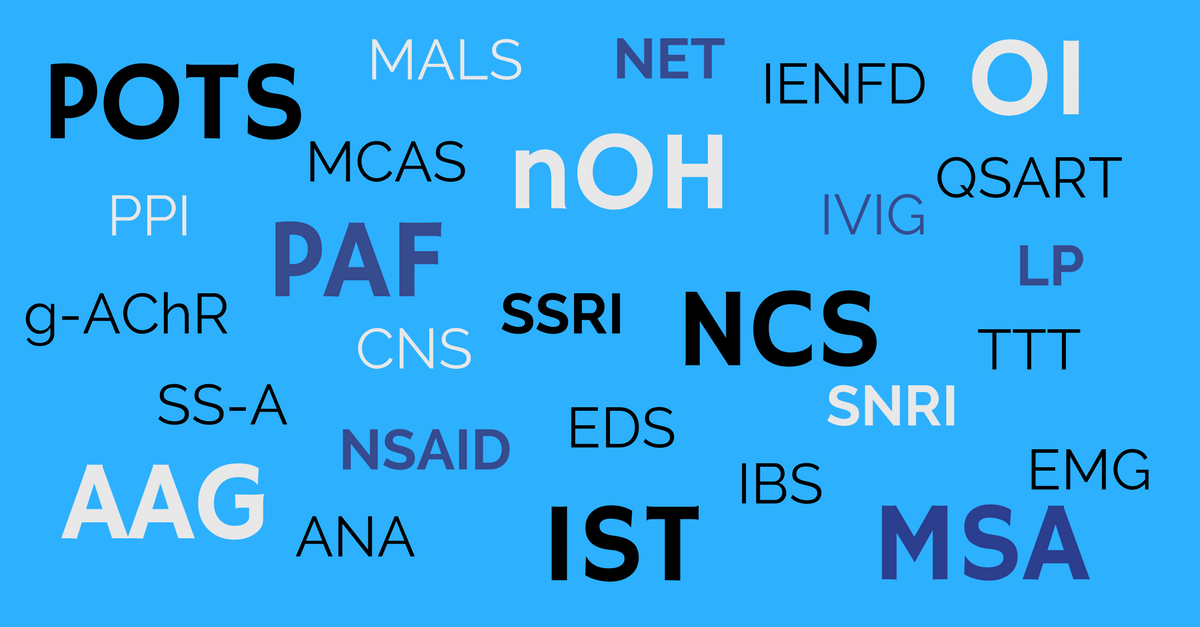
Common Abbreviations Used in the Dysautonomia Community


Being newly diagnosed with a type of dysautonomia can be overwhelming. Besides having to learn about your diagnosis and the best ways to treat it, you may see a lot of confusing medical lingo being used by medical professionals and fellow patients in support groups.

This list is intended to help you take better control of your health care by providing you with the meanings of some of the most commonly used abbreviations and acronyms in your medical records, on doctor’s notes, prescriptions, test results, in medical books or articles, in forums, or in support groups.

RESEARCH UPDATE

A

AAG – Autoimmune autonomic ganglionopathy

AAI – Atlantoaxial instability

AAN – Autoimmune autonomic neuropathy

Abs/aabs – Antibodies or autoantibodies      

ACE – Angiotension converting enzyme

ACh – Acetylcholine

AChE – Acetylcholinesterase

AChR  – Acetylcholine receptor

ACTH – Adrenocorticotropic hormone

ADH – Antidiuretic hormone

ADHD – Attention deficit hyperactivity disorder

ADL – Activity of daily living

AE – Autoimmune encephalitis

AF – Atrial fibrillation

AI – Autoimmune

ANA – Antinuclear antibody

ANS – Autonomic nervous system

APS – Antiphospholipid syndrome

B

BB – Beta blocker

BID/bid – Taking a medication twice a day

BM – Bowel movement

BP – Blood pressure

BPM – Beats per minute

Bx – Biopsy

C

C3 – Complement component 3

C4 – Complement component 4

CCI – Craniocervical Instability

CFS – Chronic fatigue syndrome

CIDP – Chronic inflammatory demyelinating polyneuropathy

CMT – Charcot Marie Tooth disease

CNS – Central nervous system

COPD – Chronic obstructive pulmonary disease

CPAP – Continuous positive airway pressure

CRP – C-reactive protein

CRPS – Complex regional pain syndrome

CSF – Cerebrospinal fluid

CVID – Common variable immune deficiency

CVS – Cyclic vomiting syndrome

D

D5W – Dextrose 5% in water

DBHD – Dopamine beta hydroxylase deficiency

DBP – Diastolic blood pressure

Dx – Diagnosis

DVT – Deep venous thrombosis

dsDNA – Double stranded DNA autoantibodies

E

Echo – Echocardiogram

EDS – Ehlers-Danlos Syndrome

EEG – Electroencephalogram

EKG/ECG – Electrocardiogram

EMG – Electromyogram

EP – Electrophysiologist

F

FD – Familial dysautonomia

FMS – Fibromyalgia

G

g-AChR autoantibody – Ganglionic acetylcholine receptor autoantibody

GBS – Guillain Barre syndrome

GI – Gastrointestinal

GP – Gastroparesis, or general practitioner (depending on context)

H

HR – Heart rate

Hup A – Huperzine A

HA – Headache

HTN – Hypertension

HUT/HUTT – Head up tilt (aka TTT)

Hx – History

I

IBD – Inflammatory bowel disease

IBS – Irritable bowel syndrome

ICD – Implantable cardioverter defibrillator

IM – Intramuscular

IST – Inappropriate sinus tachycardia

IV – Intravenous

IVIG – Intravenous immunoglobulin

J

JHS – Joint hypermobility syndrome

L

LDN – Low dose naltrexone

LEMS – Lambert-Eaton myasthenic syndrome

LLMD – Lyme literate medical doctor

LR – Lactated ringers

M

MALS – Median arcuate ligament syndrome

MCTD – Mixed connective tissue disease

ME – Myalgic encephalomyelitis (aka CFS)

MG – Myasthenia gravis

MS – Multiple sclerosis

MSA – Multiple system atrophy

MTHFR – Methylene tetrahydrofolate reductase

MVP – Mitral valve prolapse

N

NCS – Neurocardiogenic syncope or nerve conduction study (depending on context)

NE – Norepinephrine/noradrenaline

NET – Norepinephrine transporter

NG – Naso-gastric tube

NJ – Naso-jejunal tube

NMH – Neurally mediated hypotension

nOH – Neurogenic orthostatic hypotension

NS – Neurosurgeon or normal saline (depending on context)

NSAID – Non-steroidal anti-inflammatory drugs

O

OH – Orthostatic hypotension

OI – Orthostatic intolerance

P

PAF – Pure autonomic failure

PANS – Pediatric acute-onset neuropsychiatric syndrome

PANDAS – Pediatric autoimmune neuropsychiatric disorder associated with streptococcal infections

PCP – Primary care physician

PFT – Pulmonary function tests

Po – By mouth

POTS – Postural orthostatic tachycardia syndrome

PP – Pulse pressure

PPI – Proton pump inhibitor

PRN/prn – Taking medication as needed

PT – Physical therapy

Pt – Patient

PTSD – Post traumatic stress disorder

Q

QD/qd – Once a day

QID/qid – Four times a day

QOL – Quality of life

QSART – Quantitative sudomotor axon reflex test

QST – Quantitative sensory testing

R

RA – Rheumatoid arthritis

RAS – Renin aldosterone system

RDS – Reflex sympathetic dystrophy (aka CRPS)

Rx – Prescription

S

SBP – Systolic blood pressure

SCIG – Subcutaneous immunoglobulin

SERT – Serotonin Transporter

SFN – Small fiber neuropathy

SIBO – Small intestinal bacterial overgrowth

Sl – Sublingual

SLE – Systemic lupus erythematosus

SOB – Short of breath

SubQ – Subcutaneous

SCIG – Subcutaneous immunoglobulin

SS – Sjogren’s syndrome

SS-A – Anti-Ro autoantibodies (Sjogren’s autoantibodies)

SS-B – Anti-La autoantibodies (Sjogren’s autoantibodies)

SSc – Systemic sclerosis

SSRI – selective serotonin reuptake inhibitor

SNRI – selective norepinephrine reuptake inhibitor

SVT – Supraventricular tachycardia

Sx – Symptoms

T

TID/tid – three times a day

TMJ – Tempomandibular joint

TPN – Total parenteral nutrition

TST – Thermoregulatory sweat test

TTT – Tilt table test

Tx – Treatment

U

UCTD – Undifferentiated connective tissue disease

UTI – Urinary tract infection

V

VNS – Vagus nerve stimulation

VVS – Vasovagal syncope

W

WPW – Wolf-Parkinson-White

Special thanks to Emily, Shane, Jonathan, Natasha, Irina, Lauren and everyone else who contributed to this list!

Facebooktwitterlinkedinyoutubevimeoinstagrammailby feather
Facebooktwitterredditlinkedintumblrmailby feather

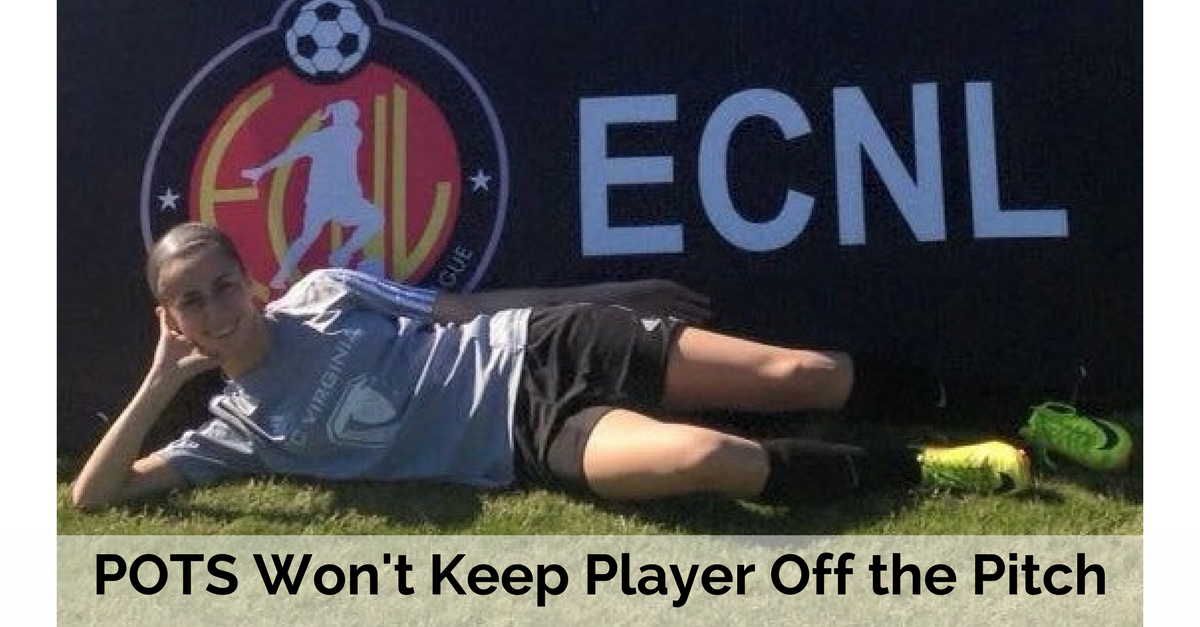
POTS Won’t Keep Player Off the Pitch

RESEARCH UPDATE (5)

At 14 years old, Frankie Moore was in the best shape of her life and had begun playing soccer on a highly competitive Elite Club National League team. Soon after earning a spot on the team, Frankie experienced a sudden onslaught of strange, debilitating symptoms. She suffered extreme exercise intolerance when playing soccer for her new team. She complained of stomach and joint pain and was having trouble swallowing. She was suddenly so weak and dizzy that she couldn’t even climb a flight of stairs.

After four months of doctor visits and evaluations, Frankie was diagnosed with postural orthostatic tachycardia syndrome (POTS).  By the time of her diagnosis, Frankie’s inability to keep up with her training schedule and perform on the soccer field as she had done previously resulted in her removal from the elite team, knocking her down a level in the sport. This was devastating to Frankie and as her symptoms persisted, her routine and the life she had before changed dramatically. She lost weight, missed school and many mornings was unable to get out of bed. It seemed highly unlikely that she would ever step foot on a soccer field again.

Still, Frankie was determined and set her mind to doing everything she could to get back to the level of play she had worked so hard to achieve.  Of course, she had many days full of discouragement, questioning “Why did this happen to me?” In fact, on many of those rough days she would try to convince herself that she didn’t really care all that much about soccer. Getting back to the level at which she had played seemed impossible.

What Frankie eventually realized was that she was fortunate in many ways. Her case of POTS was not nearly as severe as it could be. She understood that some POTS patients simply would never be able to get their bodies to cooperate with what their minds and their will wanted them to do. She knew that many kids suffered so greatly that they couldn’t even lift their heads.

With that in mind, she resolved that she could not take anything for granted. She knew she had to give it a shot to prove to herself and to encourage other patients that, depending on the severity of their individual conditions, there just might be light at the end of the tunnel.

For Frankie, luckily, there was hope that she could return to an active life. She had to push herself harder than she ever had and became committed to embracing a rigid schedule of medication and nutrition. Most difficult of all, due to the fact that her stamina and strength had been virtually depleted, Frankie devoted herself to working out more than ever.

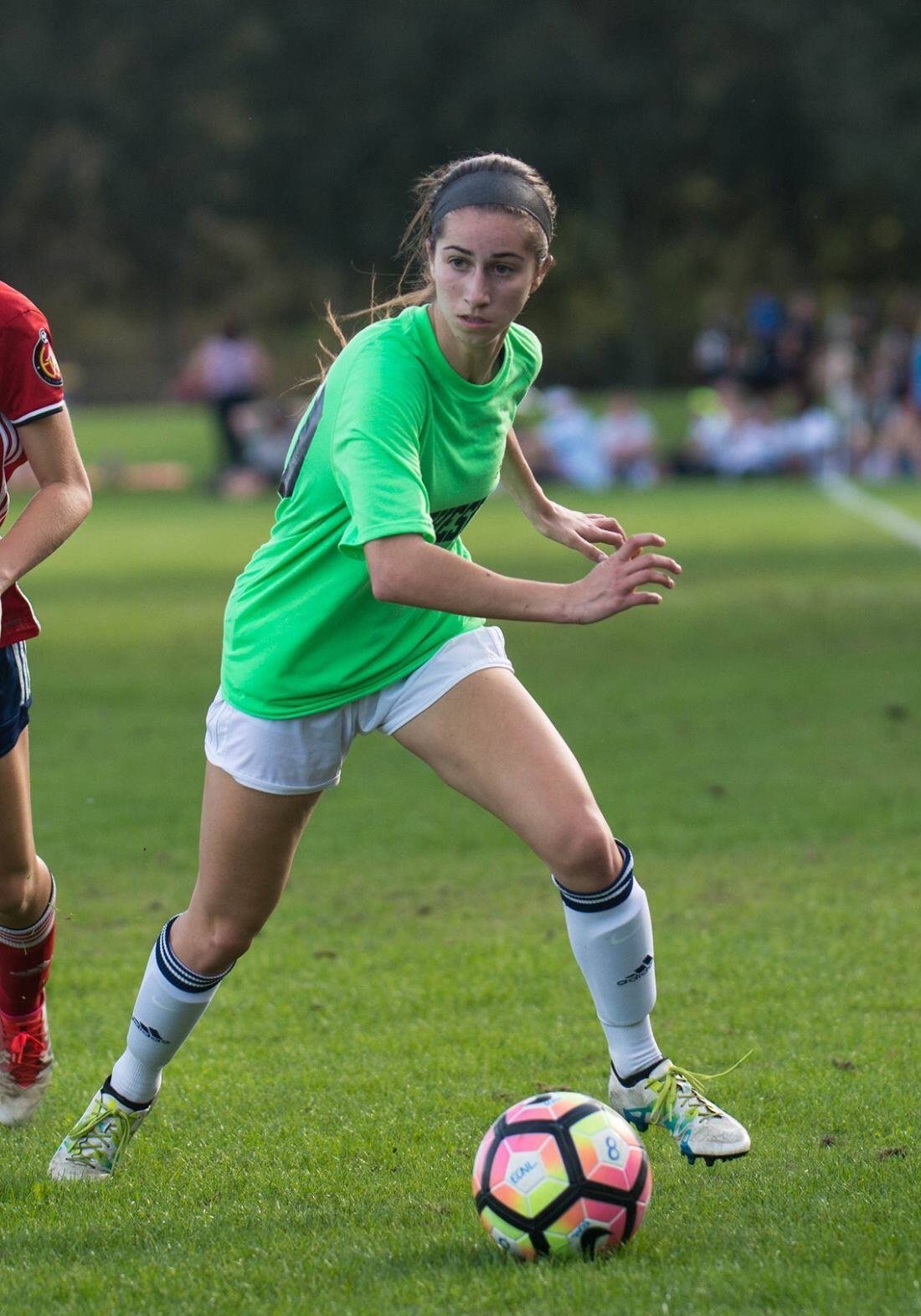
FullSizeRender Today, at 17 years old, while Frankie still experiences symptoms of POTS, they are milder than before. She takes none of this for granted, knowing that many POTS patients aren’t as lucky. She has made her way back to performing at the level she did before her diagnosis and has regained her spot on that elite travel soccer team, Bethesda Impact ECNL.  In addition, Frankie is a key player on her high school Varsity team, the aforementioned Freedom Eagles, who fought their hearts out against a formidable foe on Monday night.

The two teams battled for 80 minutes on the pitch with the scoreboard showing 0-0 for the majority of the game.  With only 10 minutes left, the one and only goal of the game was scored. As the fans held their collective breath, time ran out and the final score showed 1-0.

That one goal? It came at the hands, or the foot, if you will, of a girl who only three short years ago wondered if she’d ever play soccer again. Frankie Moore sent the ball into the net and along with her team, she celebrated upsetting the two- time state champion to the surprise of everyone in attendance.

Well, except maybe for Frankie, who knows that in her case, a commitment to not taking anything for granted, a dedication to her medical treatment, and a focus on hard work can result in victories that are greater than the brightest lights that any scoreboard could ever display.

Guest blogger Jennifer Skinner is a mom of three baseball-playing boys, a writer, and friend of the Moore family. Her writing on parenting, sports, faith and finding extraordinary blessings in an ordinary day can be found on her blog, The View from Behind Home Plate.

Facebooktwitterlinkedinyoutubevimeoinstagrammailby feather
Facebooktwitterredditlinkedintumblrmailby feather

Fighting the Good Fight Against Ehlers-Danlos Syndrome & Dysautonomia

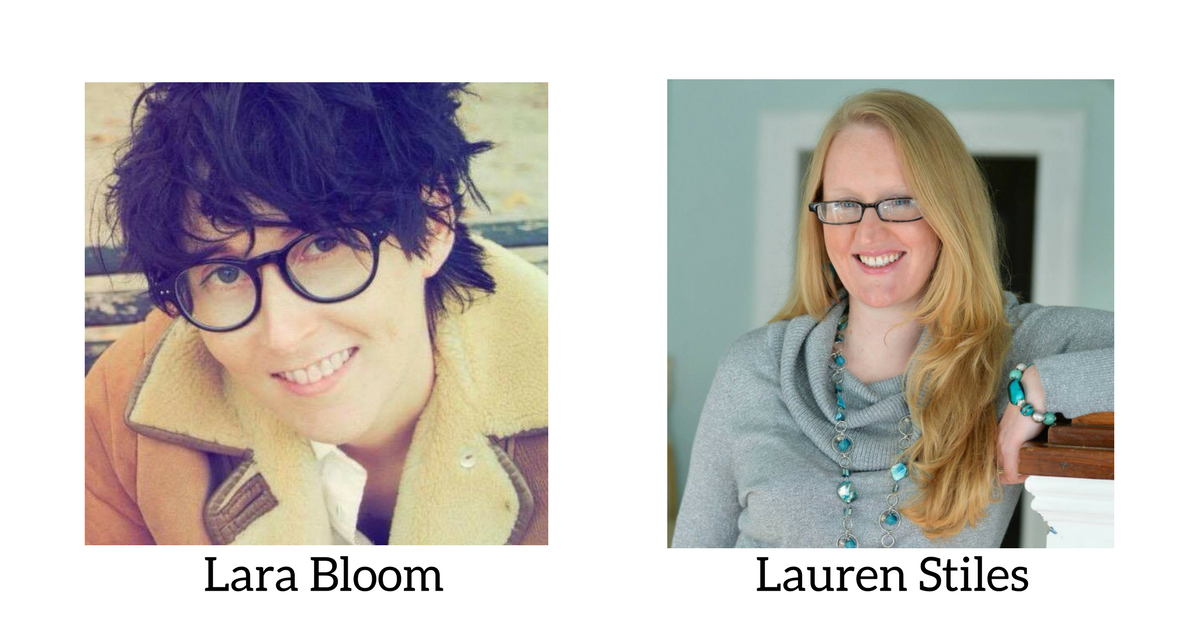
May is Ehlers-Danlos Awareness Month, so we interviewed Lara Bloom, Executive Director of The Ehlers-Danlos Society and Lauren Stiles, President of Dysautonomia International to ask them about Ehlers-Danlos and dysautonomia advocacy, research and collaborations between their organizations.

Q: When were you diagnosed with dysautonomia and Ehlers-Danlos (EDS)?
Lara: I was diagnosed at 24 with EDS and in 2007 with POTS.
Lauren: I was diagnosed with POTS in 2010 and while a few doctors suspected I had EDS hypermobility type, I didn’t meet the formal diagnostic criteria.  I fall somewhere on the spectrum in the new Hypermobility Spectrum Disorder category.

Q: What motivated you to begin advocating for your cause?
Lara: I went years without a diagnosis, being told I was a hypochondriac, that it was all in my head. When my diagnosis came it was a relief. I met another person with EDS for the first time in 2007 when my POTS was severe and I needed support, I went to the EDNF conference and thought how wonderful it would be to set up a UK charity that did the same.
Lauren: Like Lara and so many others in our patient community, I went through a period of prolonged misdiagnosis before we found out that I had POTS and an autoimmune disease (Sjogren’s syndrome) causing my debilitating symptoms.  Before I was properly diagnosed, I was told I was just doing this for attention from my husband because I didn’t have babies yet, among other ridiculous things.  I wanted to make sure no one else had to endure that torturous process, and I wanted to get the research done needed to provide better treatments for people with autonomic disorders.

Q: When did you start your advocacy work?
Lara: I started at EDS UK in January 2010.
Lauren: I started blogging as POTSgrrl in 2010 and founded Dysautonomia International in 2012.

Q: Is it difficult to balance your health and work?
Lara: Yes sometimes, but on the whole the more active and busy I am, the better I feel! Stillness for me, is pain. I like to keep as busy as my body allows, that differs most days but I like to try and win the battle as often as I can.
Lauren: Balancing health and work is challenging for people who are completely healthy, so, naturally, it’s going to be harder when you have a chronic illness. I know I would be able to get a lot more done if I wasn’t dealing with health issues. But sometimes when I’m feeling my most dreadful, it’s my passion for this advocacy work that keeps me going.

Q: What is the hardest part of advocating constantly?
Lara: Realising how far we still need to go. We are really at such an embryonic stage and we need to re-educate so many people. Sometimes the mountain to climb is exhausting. I try and not look up and just keep going, knowing that I am getting closer to the top with every small step.
Lauren: Choosing which advocacy front to focus on. We need advocacy in so many different areas… fundraising, research, physician education, patient and caregiver education, public awareness, educating federal and state elected officials and agencies, educating lawyers, judges and disability decision makers, advocating for students and workers to get the accommodations they need to thrive, improving insurance coverage for services our patient community needs, developing new dysautonomic clinics and training the doctors and staff needed to run those clinics and so much more. Our to do list is 10 miles long and there are only 24 hours in a day.

Q: Why do you think it’s important that organizations like Dysautonomia International and the Ehlers-Danlos Society work together?
Lara: Collaboration is everything. The EDS world is fragmented and I think this is holding us back. This is the main reason I wanted to start an international organisation. We are all fighting together in such similar missions, there is great quote by Mattie Stepanek  – “Unity is strength…. When there is teamwork and collaboration, wonderful things can be achieved”. I really believe this. The logo for our charity is the Zebra, a group of zebras together is called a dazzle. When everyone comes together, we can dazzle.
Lauren: It’s critical that we work together because our patient communities overlap so much. We can’t figure out autonomic disorders like POTS and OI until we figure out EDS, and we can’t figure out EDS until we figure out POTS and OI. About 33% of POTS patients have EDS, and about 80% of EDS hypermobility patients have either POTS or OI.  Each diagnosis is a clue to solving the other diagnosis. Lara and I are working to bring the EDS and dysautonomia researchers to the same table, literally, because we need them to learn from each other and work together on research projects seeking to understand the relationship(s) between EDS and dysautonomia.

Q: What plans do you have to work together?
Lara: I think it would be great to work on research and try to hold conferences together in the future.
Lauren: We have discussed holding a joint conference, which would be great. In the meanwhile, we are attending each other’s conferences. Lara and Dr. Clair Francomano will be presenting on EDS at Dysautonomia International’s conference this summer and meeting with dysautonomia researchers to discuss the importance of screening for EDS.  Lara invited me to participate in the Autonomic Working Group of the International Consortium that recently produced a journal article summarizing what we know to date about the relationship(s) between EDS and dysautonomia. This is an area that desperately needs more research.

Q: What is the value of working with other organizations?
Lara: Other minds, opinions and ambition coming together to make a difference. There is nothing more powerful than a patient advocate behind an organisation, it gets stuff done!!
Lauren: Since we both represent diverse communities of people from all over the world, it’s really helpful to see the different perspectives and experiences. Plus, we have different people in our networks of patients, caregivers, doctors, industry contacts, government contacts, etc. The more information sharing between our networks, the better for all of the patients we serve.

Q: What do you think the value of the patient community is?
Lara: They are our voices, our strength and hope. Everything we do is for our patient community and if we educate them correctly they are an excellent army fighting for our cause.
Lauren: I don’t think either us would be doing this if there weren’t strong EDS and dysautonomia patient communities.  I always tell people, if this awful misdiagnosis had just happened to me, I could have gotten over it and moved on with my life. But when I went online and saw literally tens of thousands of other people who had been treated the same way, I knew I had to do something about it.  Every patient that volunteers for our organization says the same thing, “I want to give back because I want to make sure no one else has to endure what I went through.” The first time I heard Lara lecture, that’s exactly what she said too. Dysautonomia and EDS patients have unspoken bonds with people who live across oceans, because we have a shared experience and shared goals of improving the way the medical community interacts with us.

Q: How do you hope to change the way dysautonomia and EDS are viewed/treated?
Lara: I would like both to receive the respect and recognition that deserve and need. I also want people to truly understand the multi-systemic nature of both of these conditions and for the research to be done to prove what we already know anecdotally.
Lauren: I want patients to be believed and treated with compassion. I want our concerns to be addressed with the best medical care currently available, in a timely manner, without having to fight tooth and nail every step of the way. I want more government, industry and charitable investment in research, so we can develop better treatments, and heaven forbid, a cure, for any of these conditions. Specifically on the research front, I would like to see more pathology studies trying to determine why EDS patients develop small fiber neuropathy. I think this will be critical in understanding the relationship(s) between EDS and dysautonomia.

Q: What is the most rewarding part of what you do?
Lara: As cliched as it sounds, it is making a difference. Whether that is with a medical professional at a conference through changing their perception of EDS, or inspiring a patient that EDS does not mean they can’t have a good quality of life. The most rewarding moment of my career so far was looking around the room at the international symposium in NYC and knowing that we had such amazing people dedicated to making a difference. The new nosology is something that is 20 years overdue and being part of making that happen was incredibly rewarding and gave me hope and renewed strength for our new global mission.
Lauren:  I love empowering young people to become their own best advocates.  Sometimes they just need little encouragement and direction, and then they blossom into a self-confident activist who can speak eloquently for themselves and their fellow patients. I also like getting invited to lecture at medical institutions like Harvard Medical School and the National Institutes of Health, because I know there are doctors in the room who will treat the next dysautonomia patient better because of what they learned. Mischievously, I also enjoy sending some of the more obnoxious doctors who misdiagnosed me invites to my lectures and copies of the journal articles I have published.

You can learn more about EDS and dysautonomia onThe Ehlers-Danlos Society and Dysautonomia International websites.
Lara&Lauren

Facebooktwitterlinkedinyoutubevimeoinstagrammailby feather
Facebooktwitterredditlinkedintumblrmailby feather