Alexis Gefroh was diagnosed with POTS at the age of 12 and found it difficult to explain to
family and friends how they could help her. That’s why when choosing what to do her Girl Scout Gold Award project on, she decided to make easy to read information to help loved ones of people with POTS understand what they may be feeling and know how to best help them. Here’s what Alexis wants you to know about POTS.
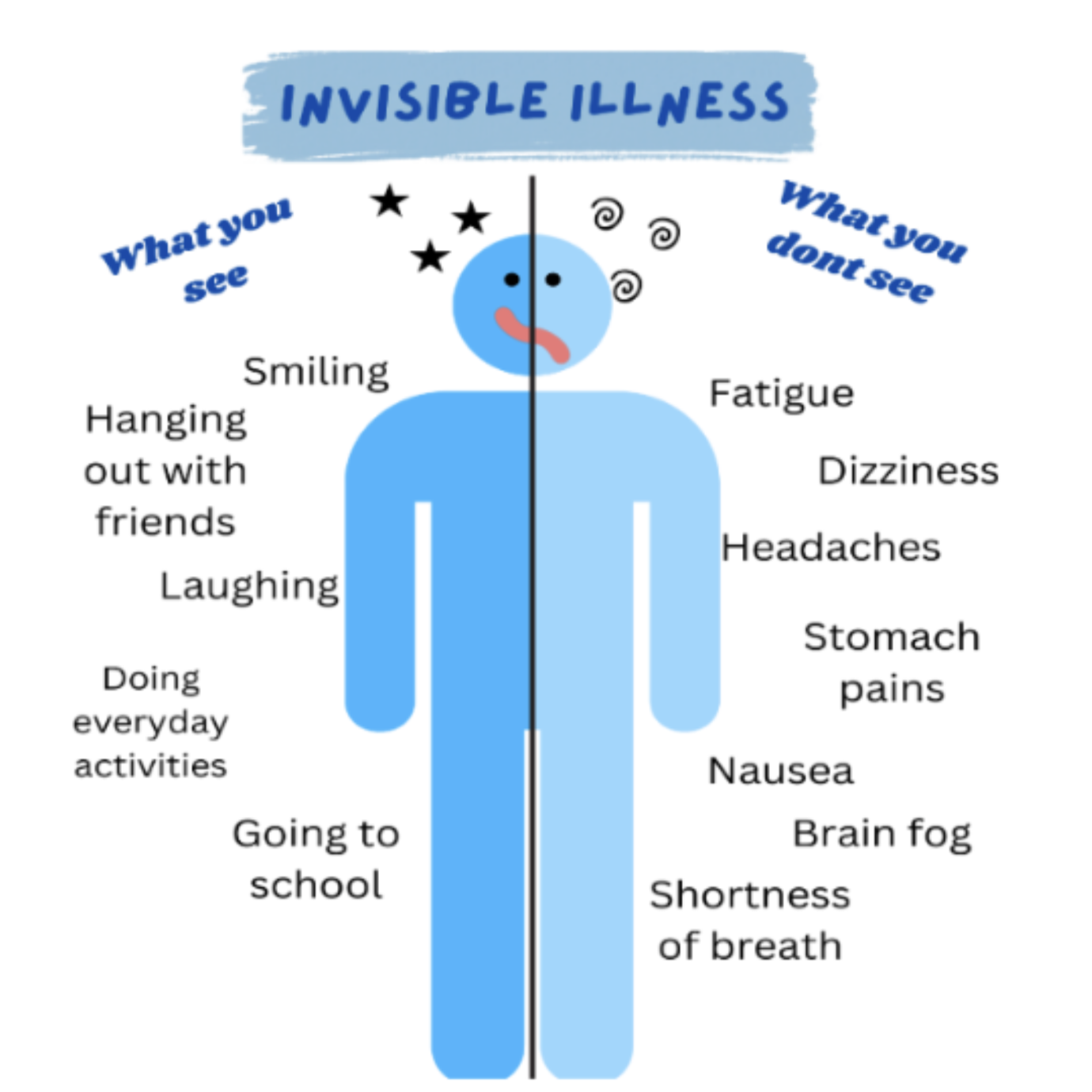
Understand That POTS is an “Invisible Illness”
An invisible illness is a health condition that is not always visible to others but can significantly limit a person’s life. This can be confusing to people around someone with POTS, as they may appear fine on the outside but not feel well on the inside.
Tips to Help Your Loved One With POTS
Don’t Stop Inviting Them
- Even if they can’t attend or participate, simply being invited can help them feel included and appreciated.
- Always remember that they’re not saying no because they don’t want to come, but because they don’t feel well enough to join.
Be Considerate of Their Feelings
- POTS diagnosis often causes big lifestyle changes, which can be overwhelming and scary.
- It’s important to be considerate of the person’s feelings as they adjust to these changes.
Don’t Be Afraid to Ask Questions
- It makes it easier for someone with POTS if the people around them understand how POTS affects them.
- Don’t be afraid to ask questions to help you understand.
- Here are some examples of questions to ask:
- “How does POTS make you feel?”
- “What can I do to help you?”
- Simply showing that you care enough to ask and understand can have a positive impact.
Be Patient
- Sometimes people with POTS may need to move slower or take breaks after periods of activity.
- It’s important to be patient with them in these moments and know that they are doing their best.
Just Be Present
- Not being able to participate in events can feel lonely and make people feel like they are missing out.
- Sometimes, just hanging out and talking without going anywhere can be really nice.
Avoid Judgement
- A person with POTS has physical limits that are out of their control.
- Don’t judge them when they are unable to do something.
- Remember that just because they could do something yesterday, it doesn’t mean that they will feel well enough to do it today.
Be Open To Listening
- A great way to feel better about one’s situation is to talk with others about it.
- Letting your friend or loved one know that you are there to talk, can give them a positive outlet to express their feelings.
Final Takeaways
In conclusion, kindness and patience are the biggest things when it comes to making someone with POTS feel accepted and loved. Often, they just want to feel a sense of normality, so being invited even when they may not be able to come is important. If you don’t understand what they are feeling, it is better to ask questions to come to an understanding than make incorrect assumptions which may hurt them. The overall focus should be on supporting their physical and emotional well-being with empathy and flexibility.

Alexis Gefroh is a POTS patient and advocate who created this blog post for her Girl Scout Gold Award project.


 by
by 


 by
by