Category Archives: Uncategorized

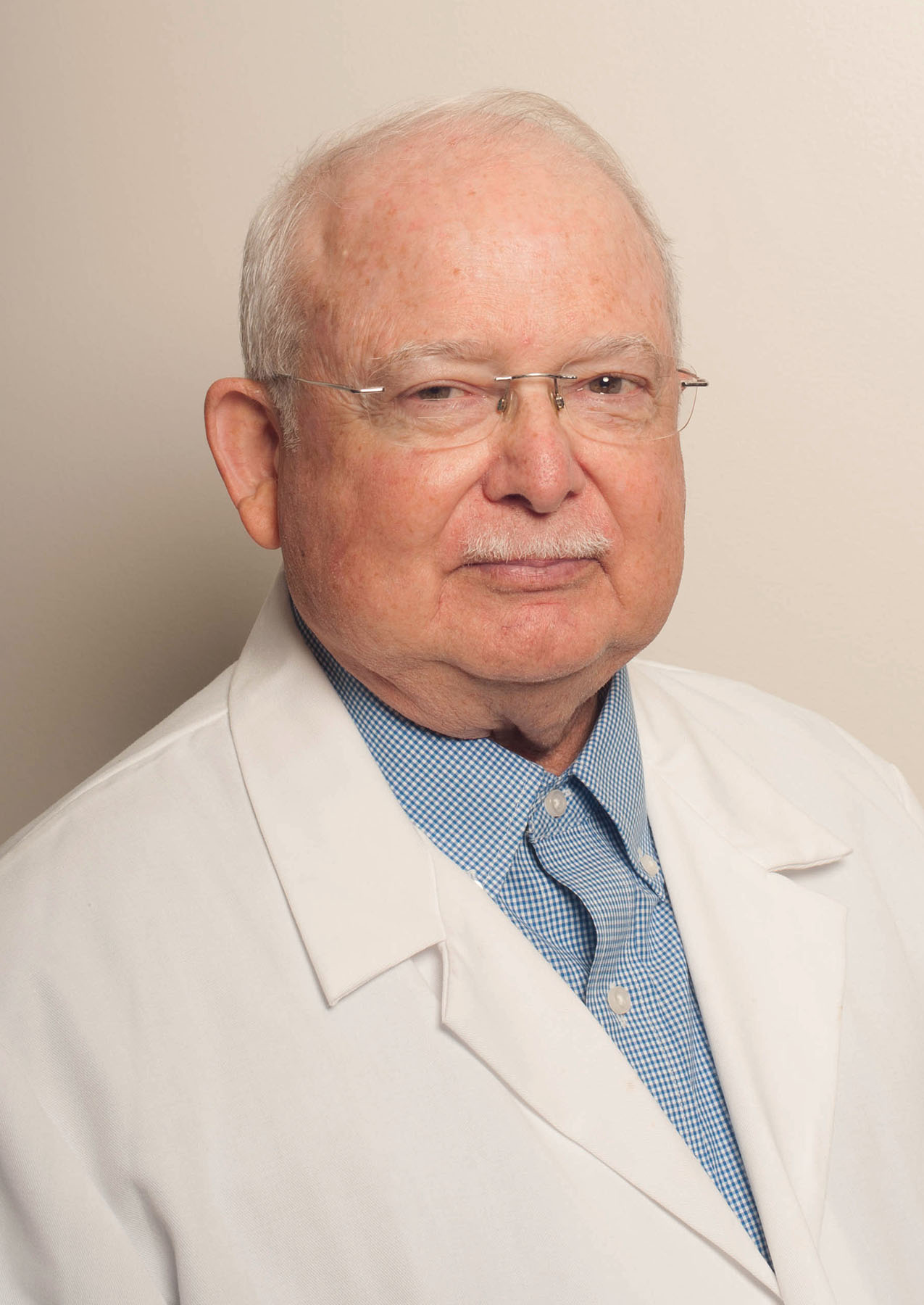
In Memoriam: Dr. David Kem

by Lauren Stiles, Dysautonomia International President & Co-Founder

It is with a heavy heart that I share this sad news. Dr. David C. Kem, a leader in POTS research, passed away from COVID-19 complications on the morning of Sunday, November 22, 2020.

Dr. Kem was a good friend to everyone here at Dysautonomia International. We send our sympathies and prayers to his wonderful wife Janet and their many children and grandchildren.

Dr. Kem was a gifted researcher and clinician, who continued to innovate with his research until the very end of his life. Just last week, he submitted a new medical journal article with Dr. Blair Grubb. Upon hearing the news of Dr. Kem’s passing, Dr. Grubb noted, “David Kem was a gentleman and a scholar.” I could not think of a more perfect description.

Dr. Satish Raj, a frequent collaborator with Dr. Kem on POTS antibody research, added, “Dave Kem was a wonderful scientist and a great collaborator. He was passionate about his work, not only for the sake of science, but because of his strong belief that he could alleviate patient suffering. As accomplished as Dave was as a scientist, I will remember Dave as a true gentleman who was devoted to his family.  He truly sparkled when he spoke about his grandchildren. Dave will be greatly missed.”
Kem, David

Dr. Kem graduated from Columbia University’s College of Physicians & Surgeons in 1963. He completed post-doctoral training in endocrinology, metabolism and hypertension at the University of Michigan and the NIH in the late 1960s. Dr. Kem spent decades publishing important research on the relationship between hormones, immune function and cardiovascular disorders. He eventually led his own distinguished research lab at the University of Oklahoma, where he served as the George Lynn Cross Research Professor and a Regents Professor of Medicine.

I absolutely loved talking about POTS research with Dr. Kem. In his late 70s/early 80s, when many other researchers would have long ago retired, he was as excited about new research as a little kid opening presents on Christmas morning. You could hear the enthusiasm in his voice. He was determined to figure out POTS. Even when his health started to fail, he would have his wife Janet call to give me research updates from the hospital.

His last email to me was in August. He heard about a hurricane hitting New York on the news, so he emailed me to ask if my chickens were OK. Even though he was a brilliant academic and a serious medical school professor, he was still a sweet Oklahoma farm boy at heart. The email was also dotted with various research updates, some related to POTS, some not… aplastic anemia, marrow transplant, muscarinic antibodies, manuscript in review, new antibody assays going, now recruiting… I loved getting those emails. The email was followed by a long phone call, where we discussed post-viral autoimmunity in the context of COVID. I introduced Dr. Kem to some other researchers interested in exploring the role of autoimmunity in post-COVID syndrome, and after a few emails, they were collaborating on a new study.

How Dr. Kem became a POTS researcher in his 70s is a pretty cool “serendipity” story. This story was told to me by Dr. Kem and Dr. David Robertson, founder of the Vanderbilt Autonomic Dysfunction Center.

In the early 2010s, Dr. Kem was studying arrhythmias in Graves’ disease, an autoimmune thyroid disorder that is known to be associated with arrhythmias in some patients. He had identified adrenergic receptor antibodies (a type of G protein-coupled receptor antibody) in a subset of Graves’ disease patients, which he thought may be contributing to their arrhythmias, but when he look at their charts, he noticed that many of the antibody positive Graves’ patients had been diagnosed with POTS too.

Like many doctors, Dr. Kem wasn’t too familiar with POTS. He called his hospital’s cardiology department and asked if they had any POTS patients. Like most cardiology departments, they had more POTS patients than they knew what to do with. He checked the serum of some patients from a local clinic who had POTS, but not Graves’ disease, and sure enough, they all had the same adrenergic receptor antibodies as his Graves’/POTS study subjects.

Dr. Kem was not a POTS researcher at the time, but he thought he might be on to something big that warranted further research. He applied for an NIH grant. NIH rejected his application, but suggested that he may want to partner with an existing POTS research center and re-apply.

He cold-called Dr. David Robertson, founder and director of the Vanderbilt Autonomic Dysfunction Center, and asked him to collaborate on a study. He told Dr. Robertson, “I think I found antibodies that may be causing POTS.” Dr. Robertson was skeptical, but open-minded, so he told Dr. Kem if he could send him some serum samples from healthy people and POTS patients from Vanderbilt, and if Dr. Kem could tell who had POTS and who was healthy based on the presence of the antibodies, he would collaborate with Dr. Kem on a study. Dr. Kem agreed to Dr. Robertson’s plan. So Vanderbilt’s autonomic lab sent Dr. Kem 14 samples – seven from people who had been diagnosed with POTS, and seven from healthy people, with no indication of which tube contained which type of sample. Dr. Kem was able to accurately tell Dr. Robertson who had POTS and who was a healthy control, just based on his analysis of their serum.

After the results came back, Dr. Robertson called me and said, “Lauren, David Kem is brilliant, he has found something important, and you should fund his research.” Dr. Robertson was a legend in the field of autonomic research, and researchers don’t often encourage you to fund someone else’s research, so I knew this was going to be big news. Eventually, Dysautonomia International would fund several of Dr. Kem’s studies on autoimmunity in POTS and vagus nerve stimulation in POTS.

Dr. Kem’s research has had a ripple effect across the entire field. Over the past six years, he collaborated on POTS antibody studies with researchers at Vanderbilt, University of Calgary, Lund University, the Karolinska Institute, and UT Southwestern, amongst others. While we still have a long way to go to fully understand the role of immune function in POTS, Dr. Kem’s pioneering work on this topic has launched an avalanche of new research that will be felt for generations to come.

He will be dearly missed by all who knew him.

Facebooktwitterlinkedinyoutubevimeoinstagrammailby feather
Facebooktwitterredditlinkedintumblrmailby feather

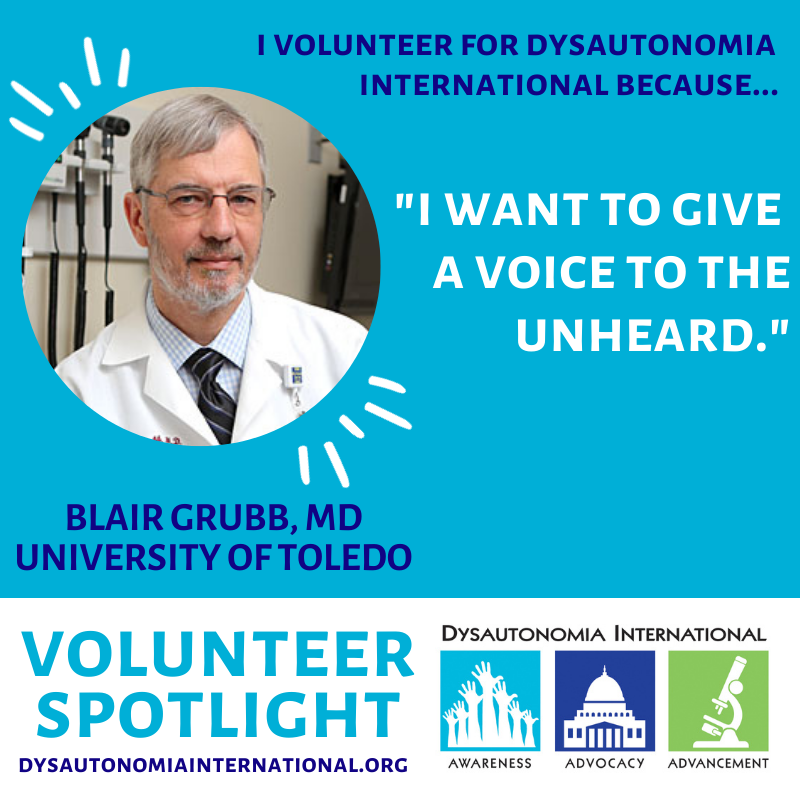
Volunteer Spotlight: Dr. Blair Grubb

Volunteer Spotlight

We’re shining our volunteer spotlight on Dr. Blair Grubb this month. Dr. Grubb is an internationally recognized expert on syncope and autonomic nervous system disorders, who volunteers his time and expertise as a member of Dysautonomia International Medical Advisory Board.

Amongst many other titles, Dr. Grubb is a University Professor of Medicine and Pediatrics at the University of Toledo, where he runs a very busy syncope clinic. Patients come from all over the world to see him. Fun fact about Dr. Grubb: he was among the first researchers in the United States to employ head upright tilt table testing for the diagnosis of vasovagal syncope, which is now called neurocardiogenic syncope. He is also well known for being a caring and compassionate physician.

Dr. Grubb has had a fascinating life. He has traveled all over the world and speaks several languages. He has also published numerous essays on his experiences as a physician and a patient.

He volunteers for Dysautonomia International because, he notes, “this organization plays a critical role and its presence has helped advance the field.” He enjoys being apart of an organization that is reliable and brings together physicians all over the world who are interested in helping this community to “give a voice to the unheard.” For his lifetime of good work for our patient community, Dr. Grubb was named Dysautonomia International’s 2015 Physician of the Year.  He says, “[t]he award meant a lot to me.”

Dr. Grubb has a tons of helpful advice for people living with dysautonomia, but his most important advice is “[d]on’t give up on yourself. Keep trying to push for your best life.” He also wants other physicians to know, “this illness really does exist and we need to do our best to help these patients and their families navigate through this diagnosis.”

Dysautonomia International is so grateful to have Dr. Grubb on our Medical Advisory Board and our community is so appreciative of his work.

Thanks, Dr. Grubb!

Facebooktwitterlinkedinyoutubevimeoinstagrammailby feather
Facebooktwitterredditlinkedintumblrmailby feather

Volunteer Spotlight – Kate Bourne

This month we would like to shine the spotlight on Kate Bourne, an active Dysautonomia International volunteer.

Kate started volunteering for Dysautonomia International shortly after she became a graduate student at the University of Calgary, working under the supervision of Dr. Satish Raj, a Dysautonomia International Medical Advisory Board member and collaborator on the “Big POTS Study.” Kate put her data analysis skills to work, mining the Big POTS Survey data for new information about POTS, resulting in the production of several research abstracts and manuscripts. Kate received a prestigious Vanier Scholarship from the Canadian government for this work and her other academic accomplishments.

Kate served as a representative of Dysautonomia International during the Heart Rhythm Society conferences in 2018 and 2019, where thousands of electrophysiologists gather to learn about the latest research in their field. Kate also volunteered her research skills to assist with Dysautonomia International’s Annual Conference research studies in 2018 and 2019, and she has lectured on her own research data during our annual conferences.

“I have enjoyed all of my volunteer experiences with Dysautonomia International.  Volunteering with the conference research projects has been particularly meaningful to me. It is an amazing experience to meet so many wonderful people, and work with an international research team, while helping to increase our understanding of POTS.”

Kate says that the dysautonomia community is inspiring! “It is an honor to work with a group of patients and their supporters who are fully engaged and very willing to participate in research, and who will do anything they can to help us learn more about POTS and other autonomic conditions – thank you!”

Thank you, Kate, for everything you do!

Facebooktwitterlinkedinyoutubevimeoinstagrammailby feather
Facebooktwitterredditlinkedintumblrmailby feather

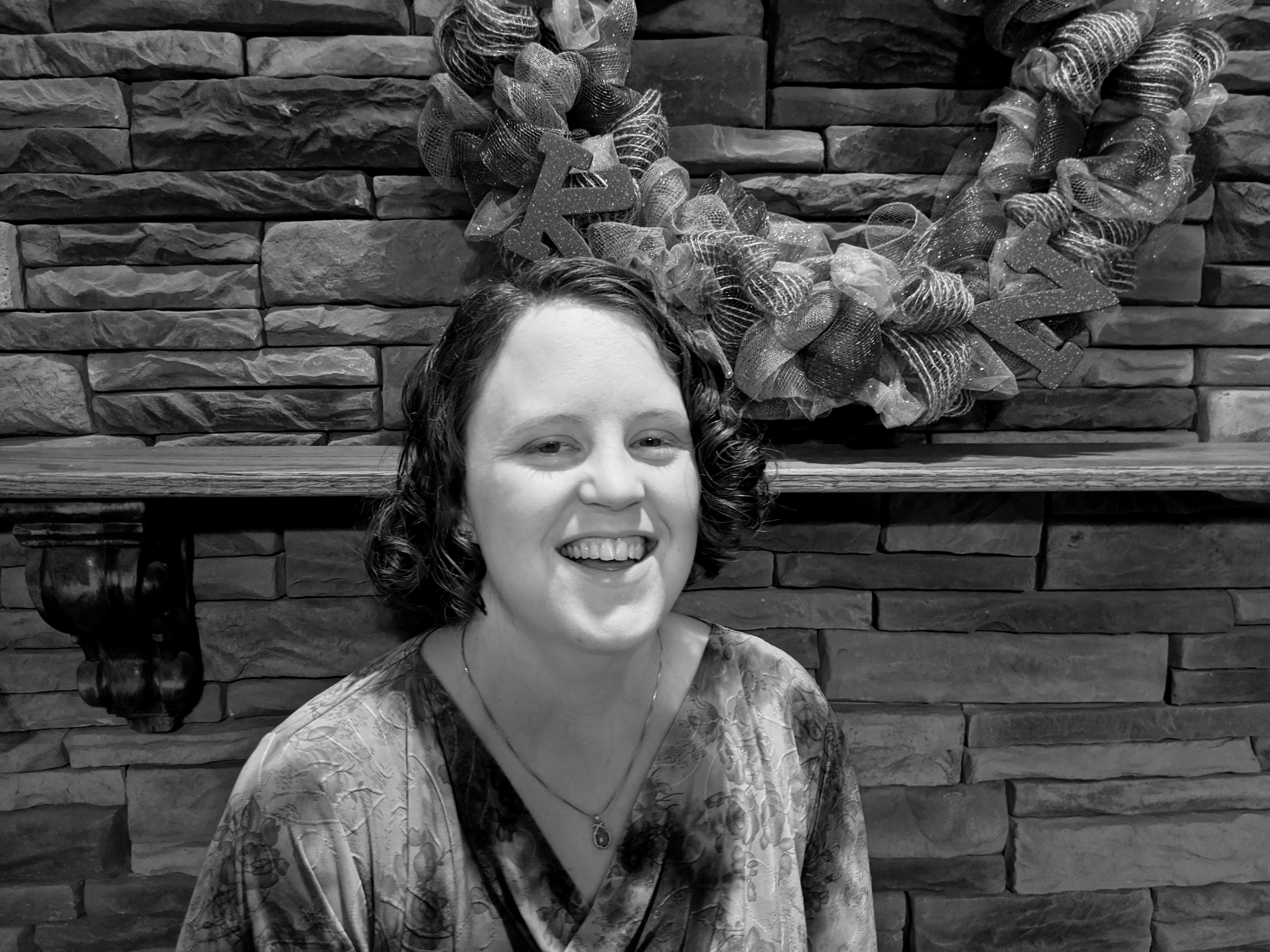
Volunteer Spotlight – Amy Kohut


IMG_3886

This month Dysautonomia International would like to put the Volunteer Spotlight on Amy Kohut who has been volunteering for Dysautonomia International since our launch in 2012, and recently joined our Board of Directors.

Amy fell ill during her first year of law school and ended up receiving a diagnosis of POTS from Dr. Thomas Ahern of Scripps Health in San Diego in 2008. Amy says, “He saved my life. I had an “old school” Tilt Table Test and let’s just say it wasn’t pretty.” Amy started the California POTSies Facebook group in 2009 to see if anyone else had this syndrome, and sure enough, she found out she was not alone in having POTS.

Amy “met” Lauren Stiles (telephonically) in 2012 while studying for the California Bar Exam. “We spoke on the phone for hours about our respective experiences in obtaining proper diagnoses, law school and life stuff. We both volunteered to give a radio interview about dysautonomia in the early days of Lauren’s non-profit vision, but there were technical issues, and Lauren ended up getting locked out of the interview, so to speak. I had to wing it.”

After Amy’s riveting radio performance, she was appointed as the first Chair of Dysautonomia International’s Patient Advisory Board and represented the organization at the very first medical conference the organization participated in, The 10th International Catecholamine Symposium, in 2012. Amy was invited to lecture before a group of the world’s leading autonomic experts. “I did not know what a catecholamine was at the time, but I did know they could be measured and abnormalities in catecholamines were correlated to different forms of dysautonomia.” Whatever Amy said worked, as several dysautonomia experts in the audience join our Medical Advisory Board after that conference. “We were off and running with a new non-profit and a growing patient and clinical community.”

Dysautonomia International even got Amy interested in football. “I never understood the feeling of joy at the end of any Super Bowl until the Eagles won in February 2018. My husband’s family was rooting for the Eagles because that’s their team. I was rooting for them because then QB Nick Foles’ wife, Tori Foles, had been battling POTS and was helping Dysautonomia International bring international awareness to the condition. I was so excited when they won that game, I had to take an extra beta blocker!”

We asked Amy what she would want to share with the dysautonomia community, and she had a great response that will resonate with a lot of us right now. “We are living in uncertain times right now with a global pandemic that doesn’t seem to discriminate among the sick and the healthy, the rich and the poor, or, the old and the young. As long as the dysautonomia community sticks together, as we have done since the early days of social media, we can support one another in riding out this storm. As always, our patient population puts our faith in the scientists, the researchers, the clinicians and the greater volunteer community.  Despite these difficult times, we will continue to bring awareness to all forms of dysautonomia and all known etiologies, continue funding research so that dysautonomia patients do not experience the unbearable diagnostic and treatment delays of the 1990s and early 2000s, and educate the next generation of healthcare providers in autonomic neurology. While we may be in a holding pattern as the world comes together to prevent, test, treat and care for COVID-19 patients and providers, those with dysautonomia know better than most how to cope with uncertainty. We will get through this together, as we have been doing for the last decade as a united and well-informed patient community.”

Thank you Amy for everything you’ve done and everything you continue to do!

Facebooktwitterlinkedinyoutubevimeoinstagrammailby feather
Facebooktwitterredditlinkedintumblrmailby feather

Volunteer Spotlight – Lorin Bales

MVIMG_20200309_202001~2

This month Dysautonomia International’s Volunteer Spotlight is shining on Lorin Bales, leader of our Alabama Support Group. Lorin and her husband live in Huntsville, Alabama or as the locals call it, Rocket City, for their NASA and missile defense industry. Like most people from Huntsville, Lorin considers herself a nerd, programmer, and lover of all things science. She has loved astronomy and telescopes since high school, which fueled her passion to major in physics, and eventually led to a career as a rocket scientist.

Lorin and her husband have two big, loveable, goofy newfoundlands. And just like her choice in dog breeds, Lorin has a big heart and is intensely determined.

When we asked Lorin what motivated her to start volunteering for Dysautonomia International she explained, “Dysautonomia International inspires me because I’ve seen the impact that the organization and its volunteers have had in the medical community. I’ve witnessed the increase in awareness, the new research paths of causes and treatments, and the rallying that comes from our support groups.”

One of Lorin’s favorite memories of volunteering with Dysautonomia International is when a group of nurses showed up to one of our local events and began asking questions about dysautonomia. “It wasn’t that they had never heard of it, but they were curious about effects beyond dysautonomia with pregnancy. I’ve had many similar experiences outside our events, where I don’t have to explain what dysautonomia is anymore, but can teach people more about how it affects our lives.”

Lorin’s message to the dysautonomia community is, “you will never stand alone. We are here when you are tired, when you feel the darkness pressing in, and you don’t feel strong anymore. We will be here when you finally get that perfect medication regimen, when that test result is finally positive, when you know why you’re sick, and when you are able to return to the things you love. We will wait with you. We’re listening. We are here.”

Thank you for everything you do, Lorin!

Facebooktwitterlinkedinyoutubevimeoinstagrammailby feather
Facebooktwitterredditlinkedintumblrmailby feather

Welcome new Board members!

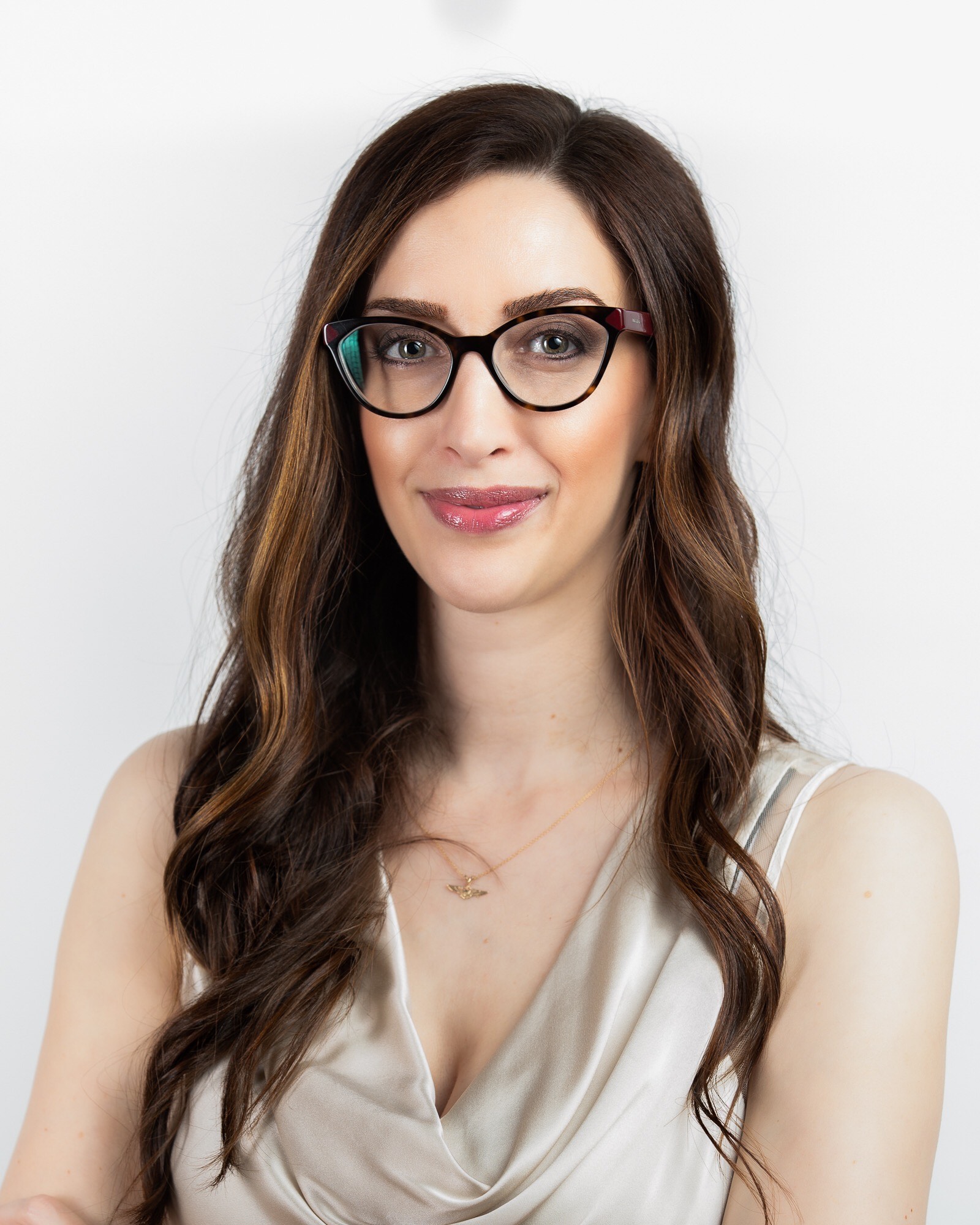
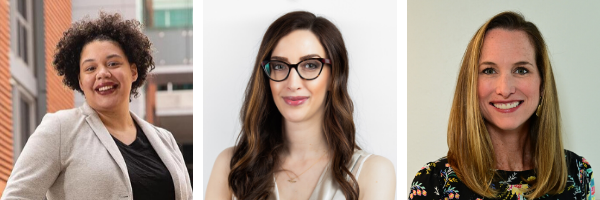
New Board members Natasha Graves, MPH, MBA, CHES, Amy Krakower, JD and Shannon Koplitz.
New members of Dysautonomia International’s Board of Directors (L to R): Natasha Graves, MPH, MBA, CHES, Amy Kohut, JD and Shannon Koplitz.

Dysautonomia International is pleased to announce the election of three new members to our Board of Directors. The newly elected board members are Natasha Graves, MPH, MBA, CHES, Amy Kohut, JD, and Shannon Koplitz.

We are thrilled to welcome these talented individuals. Their long time volunteerism and commitment to Dysautonomia International’s mission, providing awareness for all forms of dysautonomia, and assisting the patient and parent community, is commendable. Their unique backgrounds and diversity in experience are an asset to our organization. 

Dysautonomia International also welcomes back returning members of the Board of Directors, Christy Jagdfeld, CPA, Jackie Rutter Gully, and Lauren Stiles, JD.

“We are so excited to have Natasha, Amy, and Shannon join the Board. Their unique skills will help us better serve our patient community and expand the resources we can offer. We’ll also be adding new members to our Patient & Caregiver Advisory Board and Medical Advisory Board soon, to keep up with the continued growth of Dysautonomia International,” noted Board President and co-founder, Lauren Stiles.

As we welcome our new Board members, we want to extend our heartfelt gratitude to founding Board member Jodi Parker for her eight years of service to Dysautonomia International’s Board of Directors. Jodi organized our very first fundraiser, a pumpkin festival in the Chicago area called “Carving Out A Cure.” She founded the large POTS group on Facebook, which is where Dysautonomia International’s founding Board of Directors first met each other. She generously donates a portion of the proceeds from a book she wrote before Dysautonomia International existed, POTS – Together We Stand: Riding the Waves of Dysautonomia. Jodi decided to pass the torch to new Board members, but she will continue to volunteer with the organization in other ways. Jodi explains, “It was a pleasure and an honor to be a part of such an incredible organization that stands at the forefront of research, advocacy, awareness and support for the dysautonomia community. I want to thank our entire team for their tireless efforts to empower and enrich the lives of individuals living with dysautonomia around the globe. I look forward to the continued growth of Dysautonomia International, and remain committed to helping this wonderful charity in any way I can.

Read more about our new members of the Board of Directors.

Are you interested in volunteering as a Board member, Advisory Board member, Support Group leader, or in another capacity? We’d love to hear from you! Please contact Kirsten Slowey, Director of Events & Community Affairs, at kslowey@dysautonomiainternational.org.

Facebooktwitterlinkedinyoutubevimeoinstagrammailby feather
Facebooktwitterredditlinkedintumblrmailby feather

Volunteer Spotlight: Jackie Cinnamon

723CFFF5-EA2D-4CE5-A675-A66F5845E3B4

Dysautonomia International is putting the volunteer spotlight on Jackie Cinnamon this month. Jackie has been volunteering for Dysautonomia International for the last five years. “I wanted to start volunteering for Dysautonomia International because I thought if I could help even one person avoid going through what I went through, then it would be time well spent.”  Despite being seen by a variety of specialists at well respected medical institutions, Jackie experienced a diagnostic delay of four years for dysautonomia, and  six and a half years for a systemic autoimmune disease underlying her case of dysautonomia. Earlier identification and intervention could have made a big difference.

Jackie volunteers as a member of Dysautonomia International’s Patient Advisory Board. She recently spoke at Dysautonomia International’s 7th Annual Conference about being a parent and having POTS. When asking Jackie if she had a special moment while volunteering she says, “[c]onnecting with patients and their family members, or advocating on their behalf, never stops being special. It is an honor to be trusted with someone’s story and have the opportunity to connect them with information and resources that will help make them more effective self-advocates.” Jackie also helps moderate her Dysautonomia International state support group and is always so helpful and kind to others in the community.

“Don’t give up! When one approach fails, move on to the next one. When one doctor is out of ideas, consider consulting with another. Take mental health breaks as needed, then get back at it. My own experience over the past 12 years has been that information is power when it comes to living with poorly understood, under-recognized, health conditions. Learn how to identify reputable resources, then do everything you can to educate yourself and become a well-informed self-advocate. My favorite resources are PubMed, journal articles available through Dysautonomia International’s website, and Dysautonomia International’s Autonomic Disorders Video Library and YouTube where you can watch webinars and presentations from conferences.”

Thank you Jackie for everything you do!

Facebooktwitterlinkedinyoutubevimeoinstagrammailby feather
Facebooktwitterredditlinkedintumblrmailby feather

Why Racial Justice Matters in the Dysautonomia Community

Over the past three months, as much of the world has lived in quarantine because of COVID-19, we have witnessed a disproportionate burden of illness and death among racial and ethnic minority groups. We have witnessed heinous acts of violence against individuals of color, and the destruction of American cities that further threatens and oppresses these communities. We have witnessed the tragic deaths of George Floyd, Breonna Taylor, Ahmaud Arbery and sadly, many others.

Stating that “Black Lives Matter” is not negating all other lives. It is acknowledging racism and systematic oppression against Black lives. It is a reminder to the world that Black Lives Matter and deserve to be treated equally. Because of the pandemic and other current events, Black people will have a disproportionate level of grief, trauma, and funerals.

As a Black woman, living in a Black neighborhood, living with POTS and other chronic illnesses, I have both seen and experienced the impacts of our world’s current events. I have had anger, fear, sadness along a rollercoaster of other emotions. I hurt because I am a Black woman. I hurt because of the trauma I have experienced in the past dealing with racism and discrimination. I hurt because of the racism I have personally experienced when dealing with the healthcare system. I hurt because I have two Black brothers, who I fear that one day will be seen as intimidating and may be injured (or worse) at the hands of racially motivated violence. I hurt because while standing outside in front of my house with the dog waiting for her to go to the bathroom, with every car that goes by I have to worry about cops arresting me or worse for being out after curfew, or one of the White vigilantes that have been terrorizing Black people in my city. I hurt because of the heartbreak of seeing my community being torn to pieces. This constant state of grief and anxiety isn’t good for anyone, but especially someone living with a chronic illness. There is evidence that racism is associated with physical and mental health consequences, so imagine adding the layer of preexisting chronic illness to that. This is what I face, along with many others in my community. 

Since I started my POTS journey over ten years ago, I have not found many people in support groups, research studies or media coverage about autonomic disorders that look like me, a woman of color.  It is both frustrating and isolating not seeing the Black community or other people of color well-represented in the chronic illness world. I would love to tell you this is because people of color don’t suffer from chronic illness that often, but unfortunately, that’s not the case. 

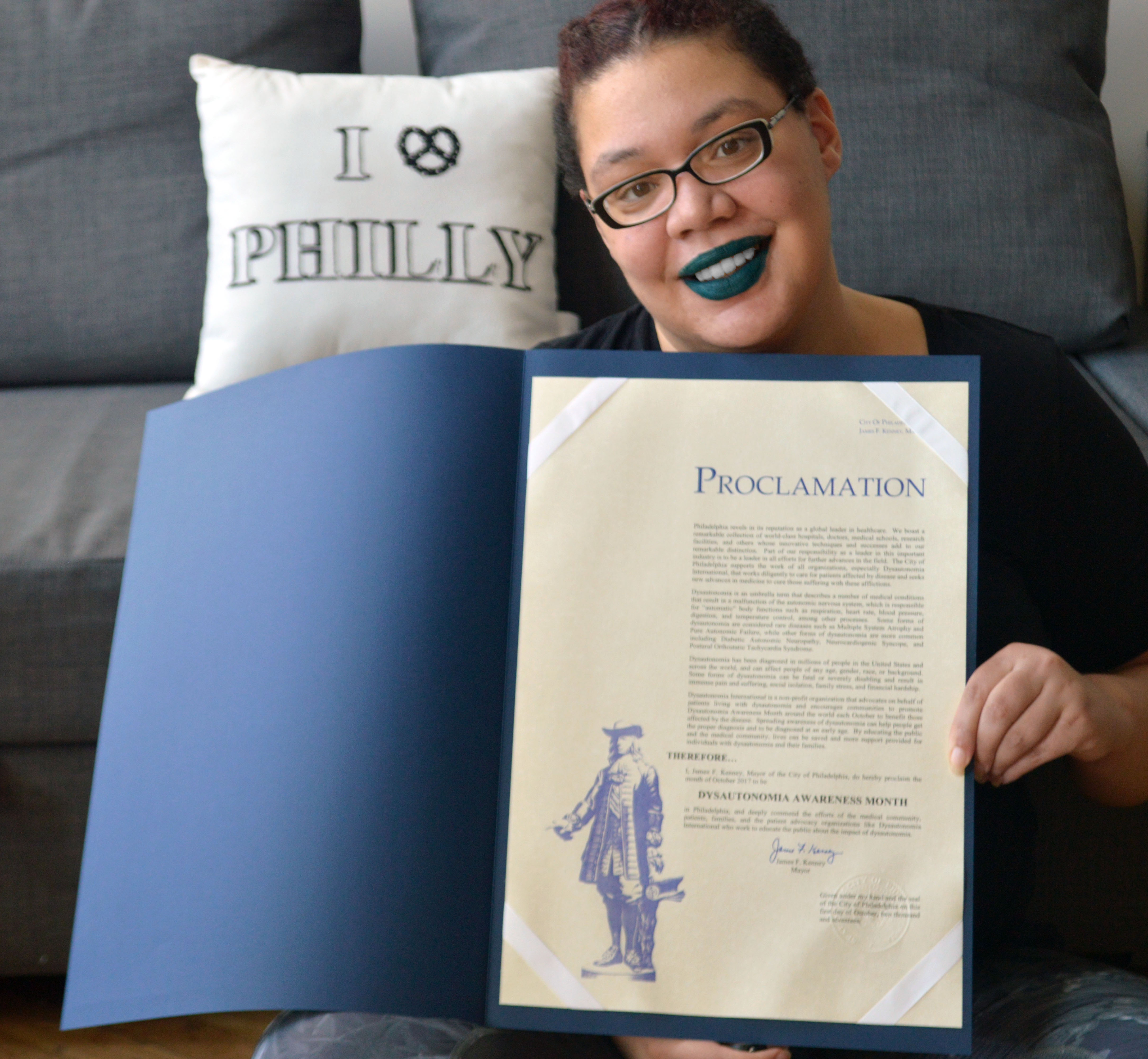
Natasha has been active in raising awareness about POTS & dysautonomia in Philly.

As I have mentioned in my previous blog post, What Solange’s Announcement Means to Me, “[r]esearch data shows that POTS, one of the most common autonomic disorders, is much more common in the Caucasian population (about 94%-96%), but it isn’t clear how much these percentages are influenced by major gaps in access to quality health care  for people of color.” Furthermore, many in the Black community don’t trust the systems we have to diagnose chronic illnesses after the long traumatic history that we have faced with the U.S. healthcare system, through examples such as the Tuskegee syphilis experiment, Henrietta Lacks, and eugenics. 

POTS is a condition with a long diagnostic delay, regardless of race, due to lack of physician and public awareness. It is likely that people of color have an even more difficult time getting diagnosed because of the healthcare system distrust and discrimination. As I had mentioned in my previous post, “[o]nce a person of color is able to access health care, many research studies on a wide variety of medical problems show that racial discrimination in health care is a serious and far-reaching problem, with doctors often dismissing symptoms, refusing to offer treatments, forgoing tests and missing diagnoses more often in people of color than in Caucasians.” In terms of the autonomic nervous system, research shows that heart rate variability among African-American’s is impaired in geographical locations with higher levels of perceived racism, and reduced heart rate variability is harmful to your health.

Through personal experience, I can tell you that many Black people in the chronic illness community don’t speak out. We don’t join Facebook support groups as often because of the fear of our family and friend’s reactions, the stigma involved with having a chronic illness. We don’t join social media conversations because of fears of discrimination and the isolation associated with lack of representation.  

The overall racism and discrimination contributes to the inequalities that have left people of color with unbelievable health disparities, and worse overall health outcomes in the United States.  

Now, people are gathering in cities around the world to protest against the racism that hurts Black lives, that we have had enough of the mistreatment because of our skin color.  As a Black woman, I can’t help but feel a bit helpless because I can’t physically get out to attend the peaceful protests or help clean up the destruction. There is no evidence that POTS puts individuals at increased risk of serious complications from COVID-19. However, due to physical mobility issues, complications of my Sjogren’s syndrome (a cause of my autonomic dysfunction), and immunosuppressant medication I am on for my Sjogren’s syndrome, peaceful protesting is not possible.

These protests are happening in the midst of a pandemic, where the threat of COVID-19 is still very real. For the millions who are immunocompromised or live with severe chronic illnesses that put them at high risk, it is difficult to be around large crowds in general, but even more with the threat of COVID-19 in our communities.  

However, the behind the scenes work is just as important as in person protesting.  You can educate yourself on the issues. You can provide other levels of support by sharing factual media on social media, making phone calls, raising funds, supporting Black owned businesses, community planning, or just reaching out to the people of color in your lives. 

I am proud to be part of Dysautonomia International, an organization that has openly condemned the racism in our world. Furthermore, Dysautonomia International  is committed to everyone, worldwide, living with or affected by any form of dysautonomia.  

To my fellow Black people: We are listening. We hear you. Your lives matter. You are not alone.

Natasha GravesGuest blogger Natasha Graves, MPH, MBA, CHES is the founder of VacayAbility, a website focused on accessible and inclusive tourism. Holding a Masters in Public Health, she uses her skills to teach others about the health conditions that she battles, blogging at myhiddentruths.com and volunteering on Dysautonomia International’s Patient Advisory Board.

Facebooktwitterlinkedinyoutubevimeoinstagrammailby feather
Facebooktwitterredditlinkedintumblrmailby feather

Volunteer Spotlight: Charlotte Florez

image0

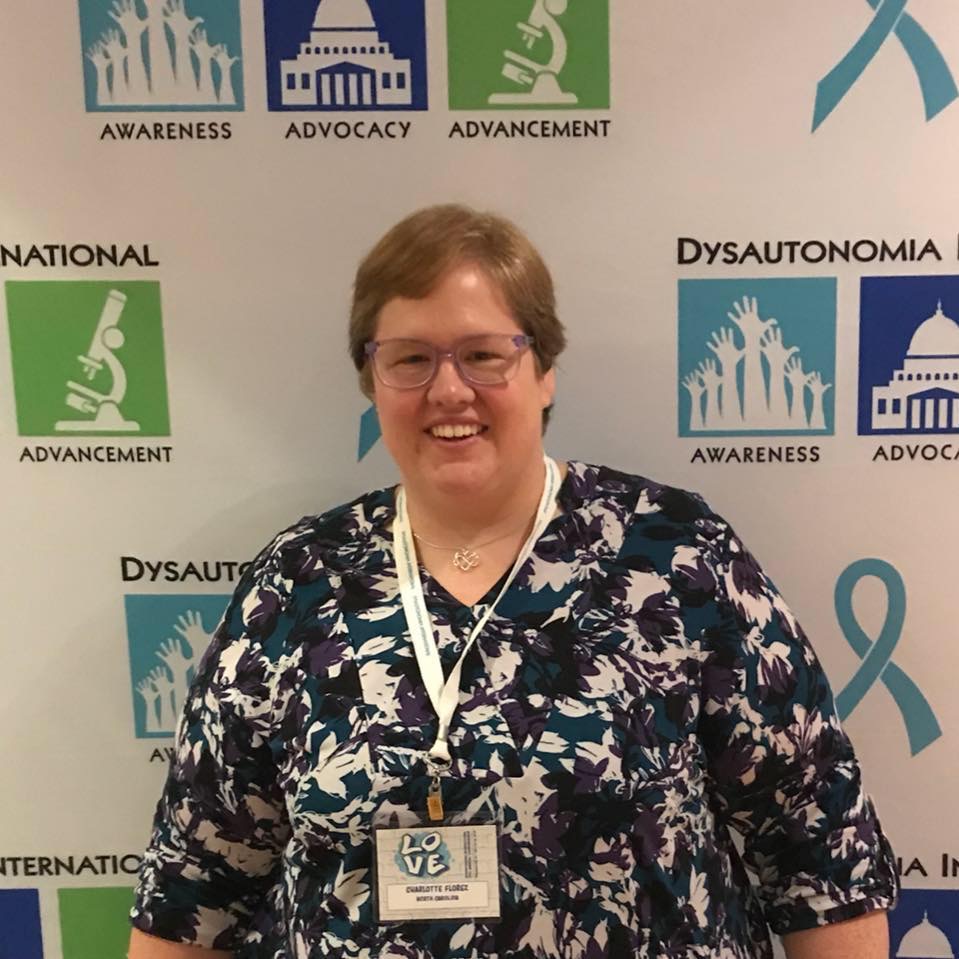
Meet Charlotte, who has been an active Dysautonomia International volunteer for  the past five years. When asked what inspired her to start volunteering for Dysautonomia International Charlotte says, “I was at a place in my life where I just kept getting sicker and I was desperate for a cure and more answers.  I thought, I can either get depressed and dwell on the fact that these things don’t exist or I can do my part to create them.  Once I saw all of the amazing things that Dysautonomia International had setup, it was a no brainer to get involved and collaborate with others to make a difference.”

With a background in theatre and education, Charlotte wanted to use her skills to create videos that other people in the community could share to educate others and to hear their story told.  Charlotte has made several videos used by Dysautonomia International and our community members to raise awareness. Each video tells a different part of the dysautonomia story.  “It has been amazing to hear the community react to the videos and to see the impact they have had on other people’s lives.”  Here are a few of Charlotte’s fantastic awareness videos, made with the help of Dysautonomia International’s North Carolina Support Group, a group she helped create:
Dukes Up for Dysautonomia Challenge
2018 Dysautonomia Awareness Month Video
Dysautonomia Health Hacks
The Faces of Dysautonomia

Charlotte also started Art with a Heart, an annual family-friendly fundraiser in North Carolina that grows each year. “Being sick can make you feel weak and less than, but when we combine our “spoons”, think creatively, and support each other, we can accomplish incredible things.  You matter to our community; so don’t be afraid to jump in and get involved!” 

Thank you Charlotte for everything you do for the dysautonomia community. We look forward to seeing what you create next to get people involved in fun, educational awareness projects!


If you’d like to get involved with Dysautonomia International, sign up for our email list to find out about upcoming events, host a birthday or other fundraiser on Facebook, or join a local support group to see what’s going on in your area.

Facebooktwitterlinkedinyoutubevimeoinstagrammailby feather
Facebooktwitterredditlinkedintumblrmailby feather

Volunteer Spotlight: Alex Neville

Volunteer Spotlight

Meet Alex, a passionate Dysautonomia International volunteer and co-leader of the Dysautonomia International Australia Support Group.

Alex has a couple of motivations to be involved with Dysautonomia International. First and foremost are her kids. “I have twin 18 year-old daughters who have POTS. One first became unwell at 14, and the other at 15 years-old. They have two older brothers, one of whom is also currently being investigated for POTS. It makes sense for me to be informed, and also to be involved with an organization that drives research to improve diagnosis and treatment options.” says Alex. She also enjoys helping others who are going through what can be quite a confusing and even traumatic experience, to get accurately diagnosed and find proper treatment. Alex states “I’m really keen to be involved in raising awareness, providing advocacy, and in encouraging better education for health professionals.”

“Kate George is the other Australian group leader and I have loved collaborating with her to get this group off the ground! We have worked really well as a team and we’re enormously proud of the supportive and respectful community that has developed.” says Alex.

​Alex helped organize the first support group meet up in Australia, which took place in Sydney. “It was all new and I was apprehensive as I had no idea whether anyone would turn up. I was blown away by the small group of amazing people who came together, people with dysautonomia and some loved ones, all grateful for the opportunity to talk with others who ‘got it’. It was a very special gathering which showed me the real value of a supportive community.”

​Alex encourages others to “get involved, in whatever way you are able. This might be posting the occasional comment or question in an online support group, raising awareness with your friends and family, contributing to activities during Dysautonomia Awareness Month in October, supporting fundraising activities, or taking a more active role with Dysautonomia International. Every little bit counts – and together we can make a difference!”

Facebooktwitterlinkedinyoutubevimeoinstagrammailby feather
Facebooktwitterredditlinkedintumblrmailby feather