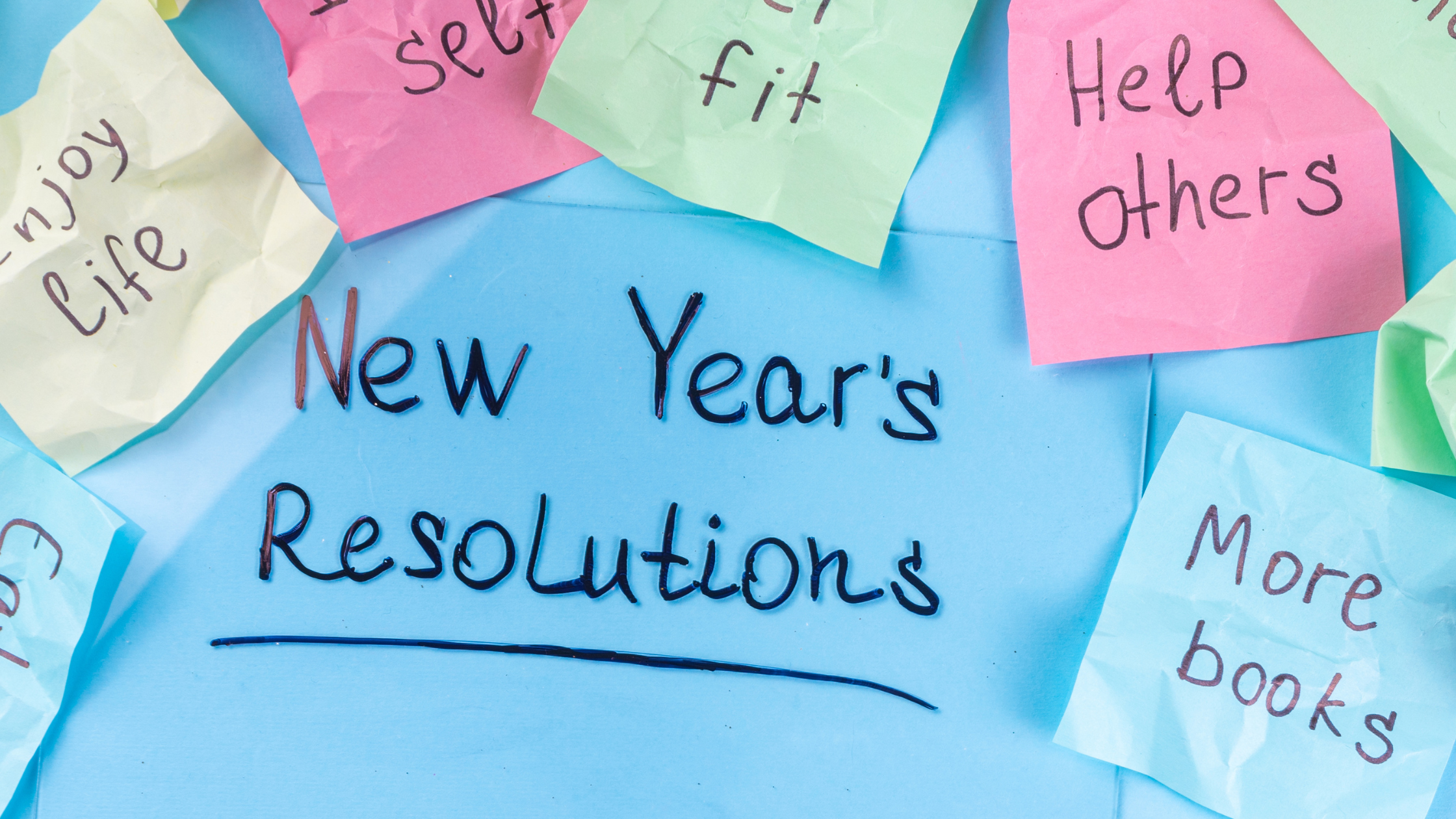
The start of a new year often brings a flurry of goals, like new diets, workout plans, “productivity hacks,” and endless lists of things to achieve. But if you live with dysautonomia, those traditional resolutions can feel out of sync with your reality. You might wake up one day full of energy and the next completely drained. And that’s okay.
This year, instead of chasing perfection, try creating resolutions that honor your body and nurture your well-being. Here are some ideas to guide you toward a gentler, more sustainable kind of self-care in the new year.
1. Prioritize Hydration (and Salt)
It’s not glamorous, but it’s essential. Staying hydrated and keeping your electrolyte balance steady is one of the most powerful tools for managing dysautonomia symptoms. Try setting reminders to drink throughout the day, carrying a refillable bottle with electrolyte packets, or keeping salty snacks handy. It’s not about being rigid, it’s about creating small habits that support your stability.
2. Practice Setting Boundaries
Give yourself permission to say “no” when you need to do so to protect your health. Taking time to prioritize yourself is not selfish, and it is an important part of learning to manage a complicated chronic illness. Boundaries may vary day-to-day, or over the long-term. Listen to your body, and trust your instincts.
3. Create a Morning or Evening Ritual
Structure can bring calm to unpredictable days. Maybe it’s a five-minute stretch, a quiet cup of tea, a gentle walk after dinner, or turning off electronic devices an hour before bed. Consistent rituals help ease anxiety and ground your day in something gentle and familiar.
4. Redefine “Exercise”
You don’t need a gym membership or intense workout plan to feel strong. For many people with dysautonomia, movement might mean gentle stretching in bed, chair yoga, or short walks on “good days.” The goal isn’t pushing limits, it’s reconnecting with your body in ways that feel supportive and kind.
5. Celebrate the Small Wins
Maybe you stayed hydrated all week. Maybe you had less fatigue, or remembered your meds on time. These moments matter. Keep a small gratitude or “tiny victories” journal to remind yourself of progress. Over time, you’ll see how much you’ve accomplished, even when it doesn’t look like a traditional resolution list.
6. Build a Support System
Connect with others who get it. Remember: asking for help isn’t a failure. It’s a form of self-care that keeps you from burning out. Connecting with your local Dysautonomia International Support Group is a great way to build a support system.
7. Cultivate Joy
Living with a complicated chronic illness like dysautonomia can sometimes be socially isolating, and can make it harder to do some of the activities that bring us joy. One way to address this is to seek out joy with intention. Create a list of things that bring you joy, that you can do even when you’re having a bad symptom day, and then do at least one joyful thing each day. Create a “can-do” list of things that bring you happiness each day. That may be something different for everyone! Cuddling with a pet under a pile of fluffy blankets, movie night with your family, playing games online with friends, trying a new recipe, taking a painting class, reading a good book, etc. No matter what it is, find something good in every day.
As you move into the new year, remember that progress with dysautonomia rarely looks linear, and that’s okay. Resolutions don’t have to be big or bold to be meaningful. The most powerful commitments are often the quiet ones: honoring your limits, celebrating what your body can do, and choosing compassion over comparison. This year, let your resolutions be rooted in care, flexibility, and grace. You are not behind, you are not failing, and you are not alone. Every small step you take toward supporting your health is a victory worth recognizing.


 by
by 


 by
by